This morning we went on a free walking tour with Pelajo (rhymes with Bellagio ) who was another incredibly entertaining guide, with a good mix of humour and knowledge. Pelajo like many of the tour guides we have had is a history junkie – the perfect person to do these. As well as taking us past many of the wonderful landmarks here in Donostia he had a great story to tell.
He started our journey by taking us through the history of the place. While it is a very old city which as I had mentioned yesterday had significant defence capabilities unfortunately after steady attacks sadly most of the city was destroyed by British and Portuguese troops during the Peninsular War in 1813. The story goes that on entering the town the troops buoyed by their success (it took quite some time to breach the walls) discovered supplies of brandy and wine and became a enraged mob. It was estimated that up to half of the population died during the onslaught and that the city burned for seven days. At the time there were 600 houses in the township and by the time time the fires had stopped only 30 houses remained. This does mean that many of the landmarks are not as old as those you would see in other European cities, which is really sad. On 31 August each year there is a candlelight ceremony remembering the burning of the town.
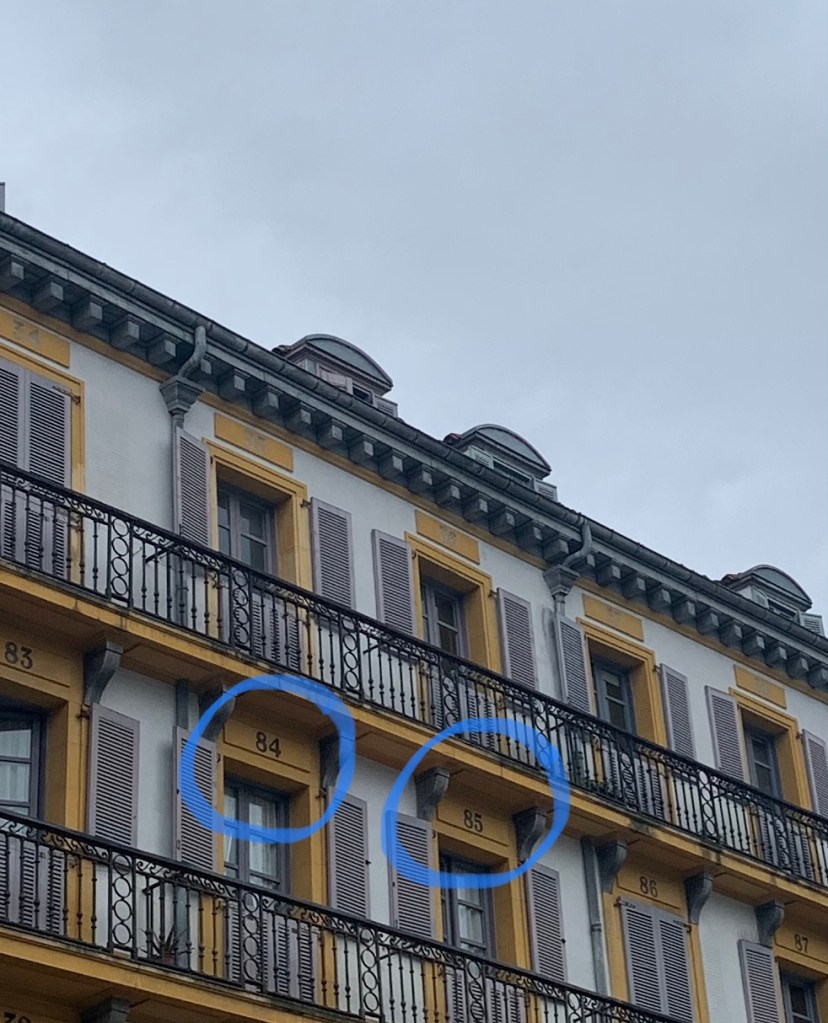
We went through Plaza de la Constitucion (The Constitution Square) which is in the centre of the Old Town of Donostia which is where the city has parties and celebrations. One of these is Tamborrada (a drum festival) which starts at midnight on 19 January with the raising of the flag of San Sebastián in this very square. The festival goes for a full 24 hours finishing at midnight on 20 January, lots of drums, dancing and eating … sounds perfect.
The square is quite beautiful and was constructed in 1817. The architect Ugartemendi was involved in much of the rebuilding of Donosti after the devastating fire of 1813.
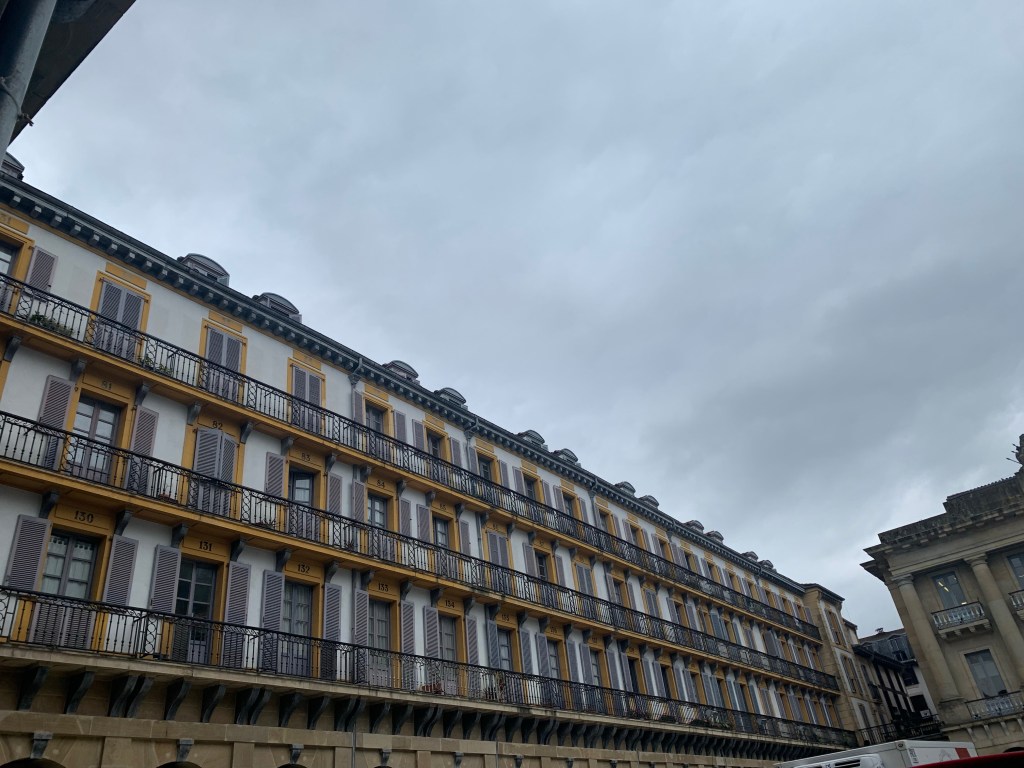
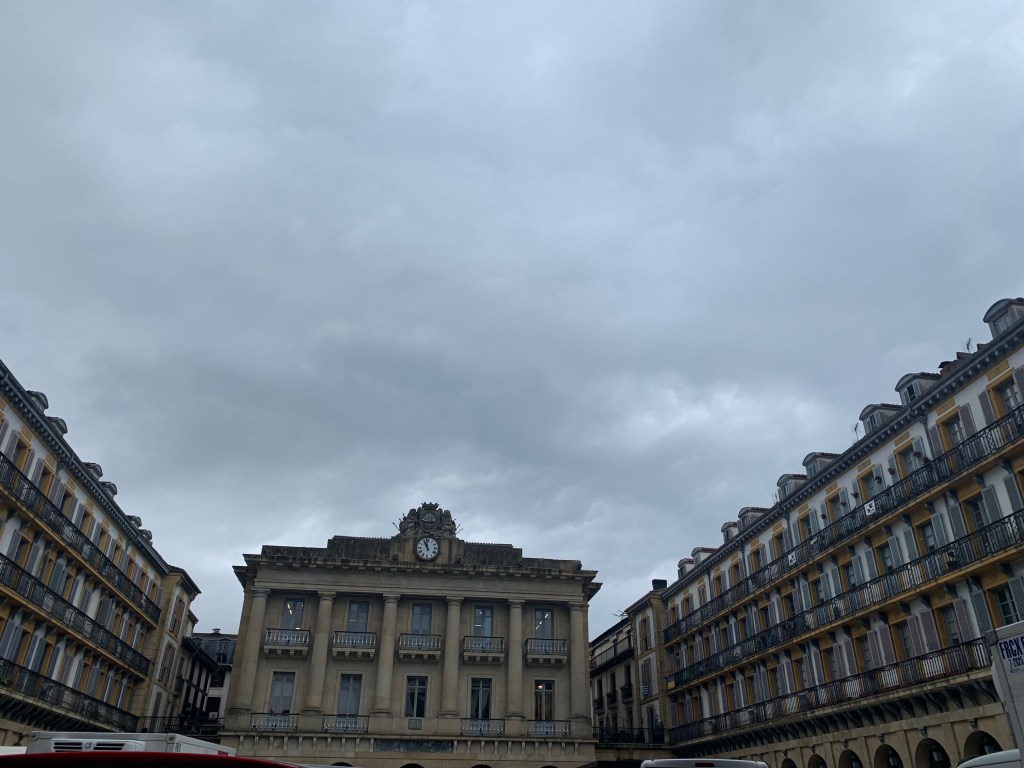
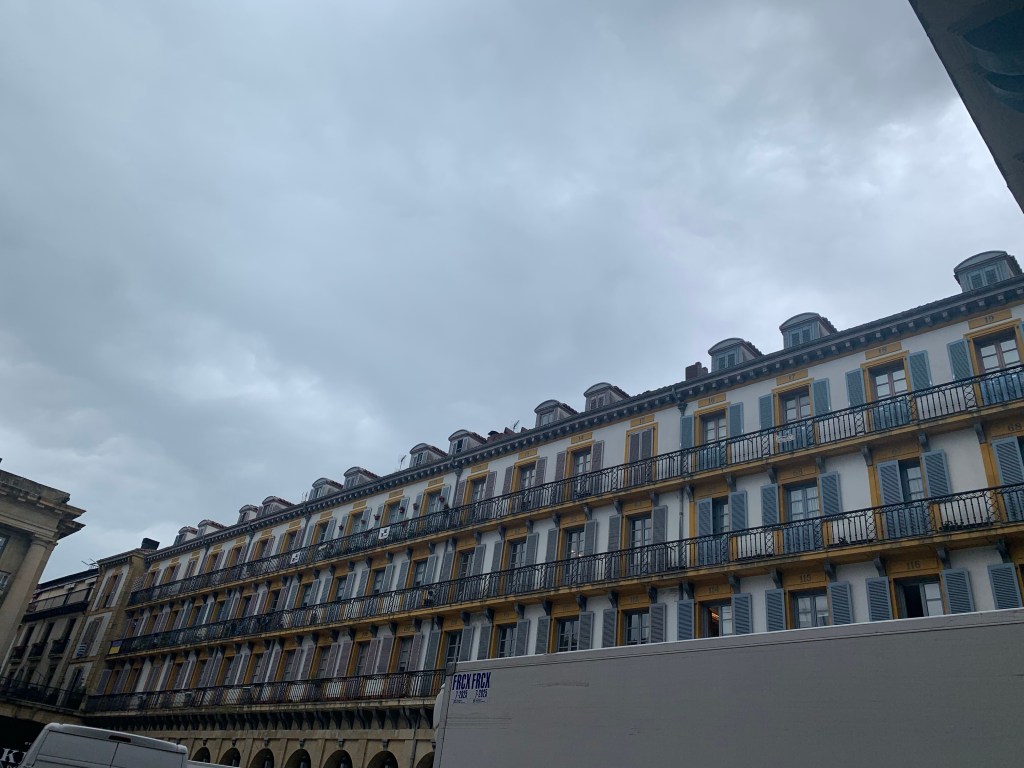
As soon as you step into the square you notice the numbers above the doors facing out to the square. These are the numbers of the bullring boxes from when this was the bullring. This space was used as a bullring up until 1998 when a new bullring was built outside of the city.
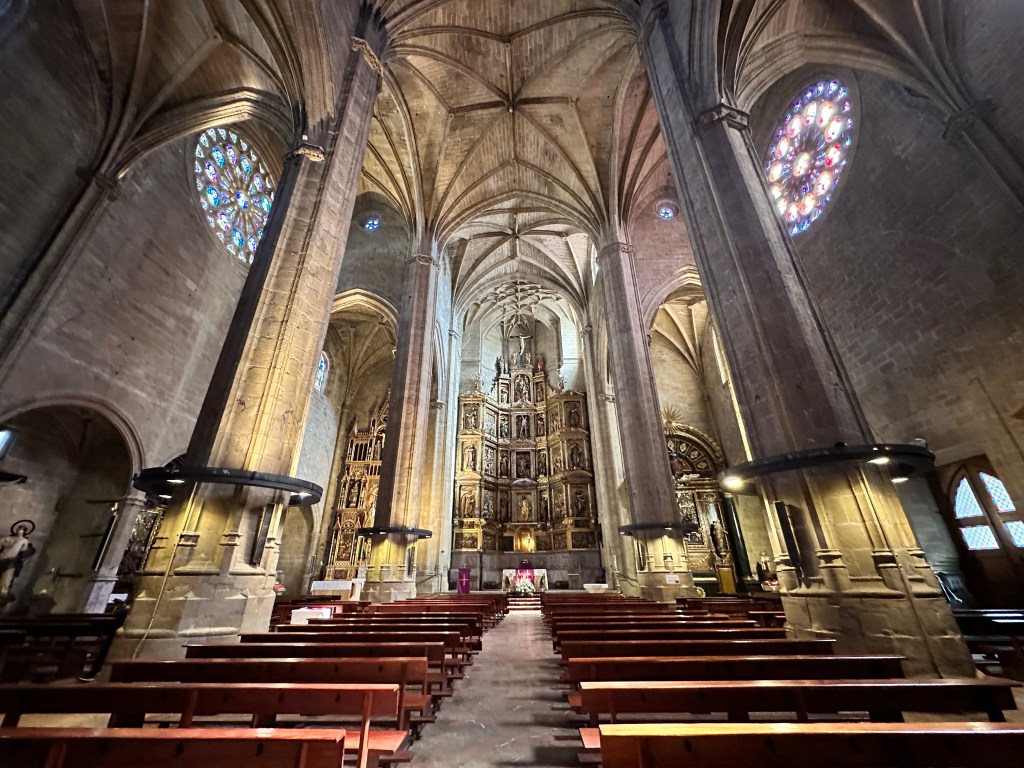
We then headed to Parroquia de San Vicente Magic de San Sebastián a gothic style church built in the 16th century, so one of the few landmarks to have survived (mostly there was damage that needed repairing).
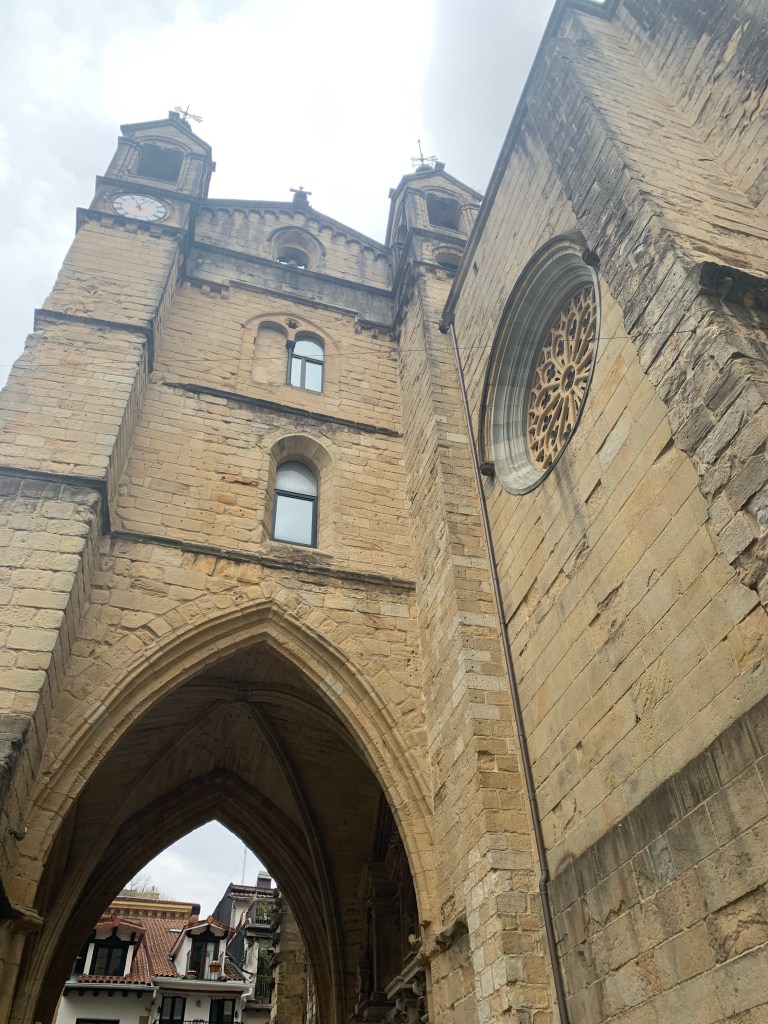
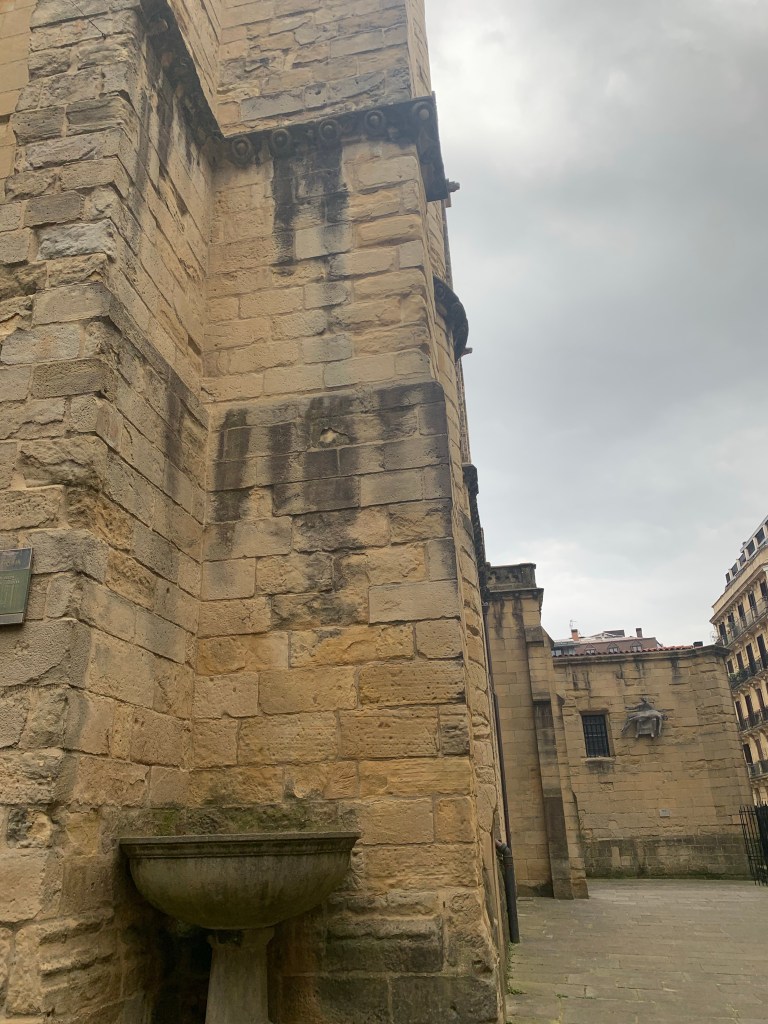
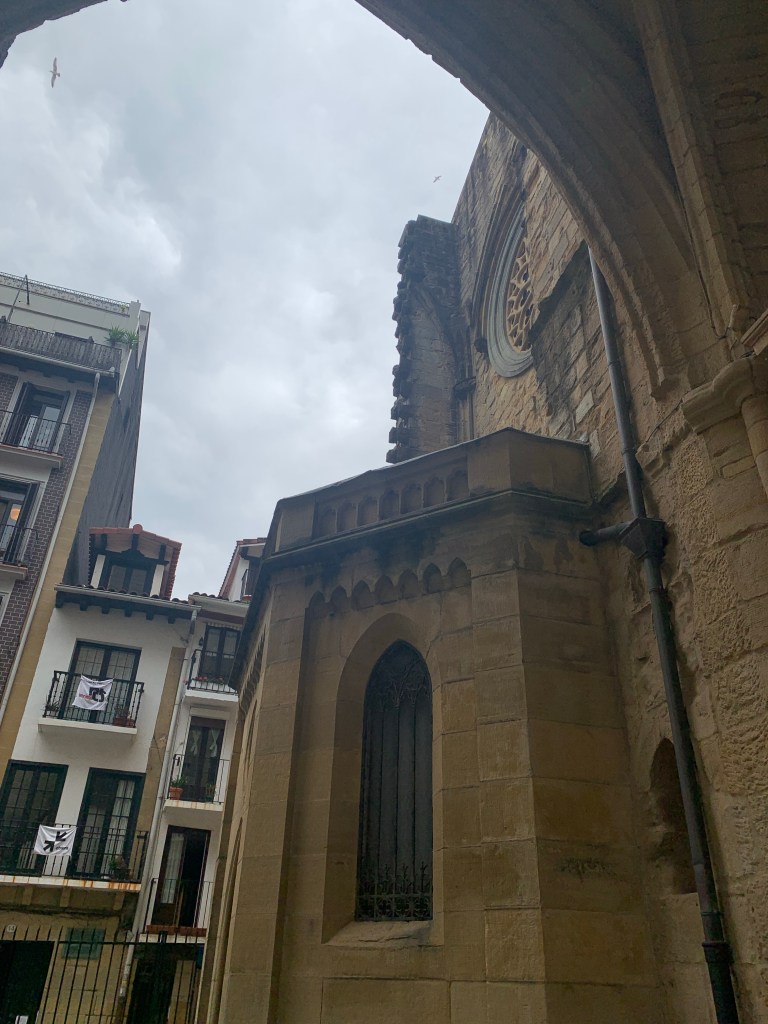
Pelajo let us know that this is the “poor man’s church” it is quite beautiful inside with soaring ceilings, stained glass windows and a gorgeous altar.
As we walked Pelajo talked about this place he so obviously loves. We did talk a little bit about the Basque conflict. One of the women on the tour had been here in 1984 and said it was very different then from how it is now, at the time there were people with machine guns walking through the streets. You simply can’t imagine that now here in these quiet cobblestoned streets. Pelajo did say that the psychological scars for some people may never heal. The conflict was an armed and political conflict that went from 1959 until 2011, so not that long ago and was between Spain and the Basque National Liberation Movement, with the movement seeking independence from Spain.
But today what this place is about is food and about tourists!
First food, secret gastronomic societies (or txokos) are a thing here and it’s really hard to become a member. It’s only for men (?) and if a member dies membership is automatically offered to the man’s oldest son. If the member didn’t have a son then the membership will be offered to someone on the waiting list ( everyone must agree to this person and if one member has concerns membership is denied). Women may now attend with a member but they are not allowed in the kitchen as this is the members domain and considered a sacred place. Everyone cooks and serves themselves, taking turns in doing the cooking and they don’t open their doors to tours, so this is as far as we got.
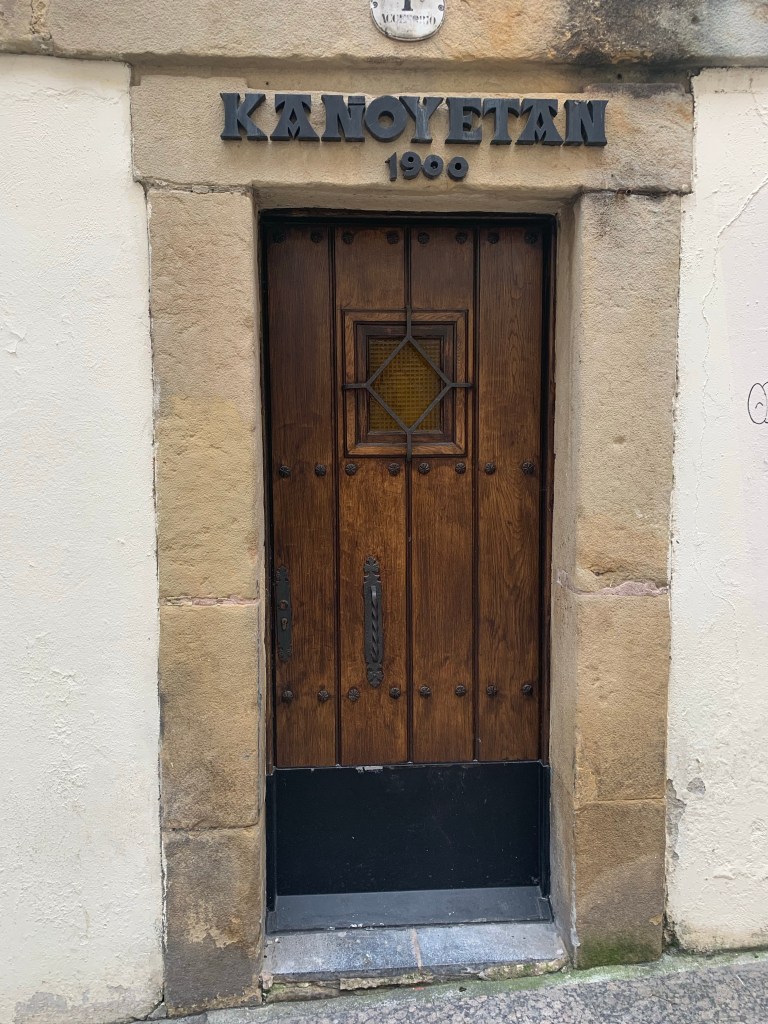
A door into a txokos.
Another food fact Donostia has been given the title of a gastronomic paradise for having more Michelin starred restaurants per capita than anywhere in the world ( there are eleven in an area of less than 200,000 people). We did have some mighty fine food here but not at any of the eleven.
From food to film we heard about the San Sebastián International Film Festival held in September it started in 1953, this year will be number 71. It is renowned for not only being one of the oldest but one of the most important for Spanish language films.
Pelajo mentioned an interview with Willem Dafoe who was in town for the “Last Temptation of Christ” and him making references to the town going to the effort of an arranging for a statue of Christ up on Mount Urgull ( which didn’t go down so well with the locals).. yikes.
He also told us that his grandad was the Mayor for a while and Sophia Loren was in town for the film festival and his grandad who was a cranky old man had a picture taken with Ms Loren and he had the biggest smile that anyone had ever seen in him. His grandma hated the photo (which grandad proudly displayed). Sadly grandpa has now died and so has evidence of the photo – it has never been seen again 😂.
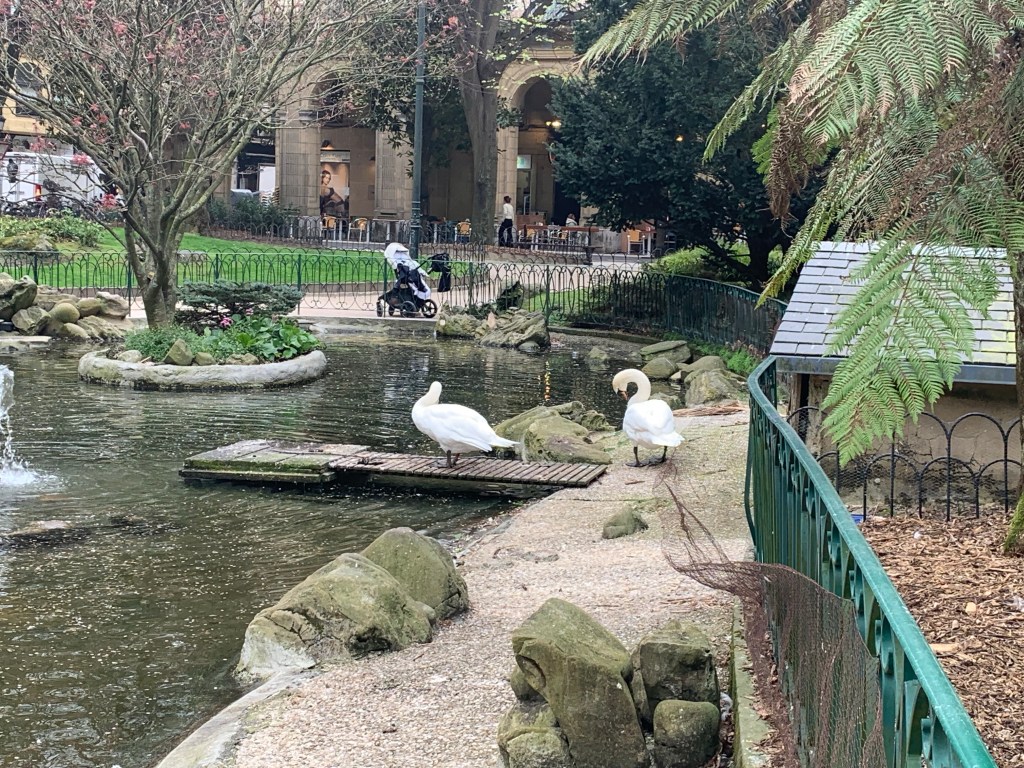
No story with these two Pelajo just pointed them out 😂
It such a pretty city, beautiful to walk around even though it was drizzling a bit today. Everything is set up for tourists, which is the main source of income. We have loved our time here, it has been a great couple of days to recharge the batteries.
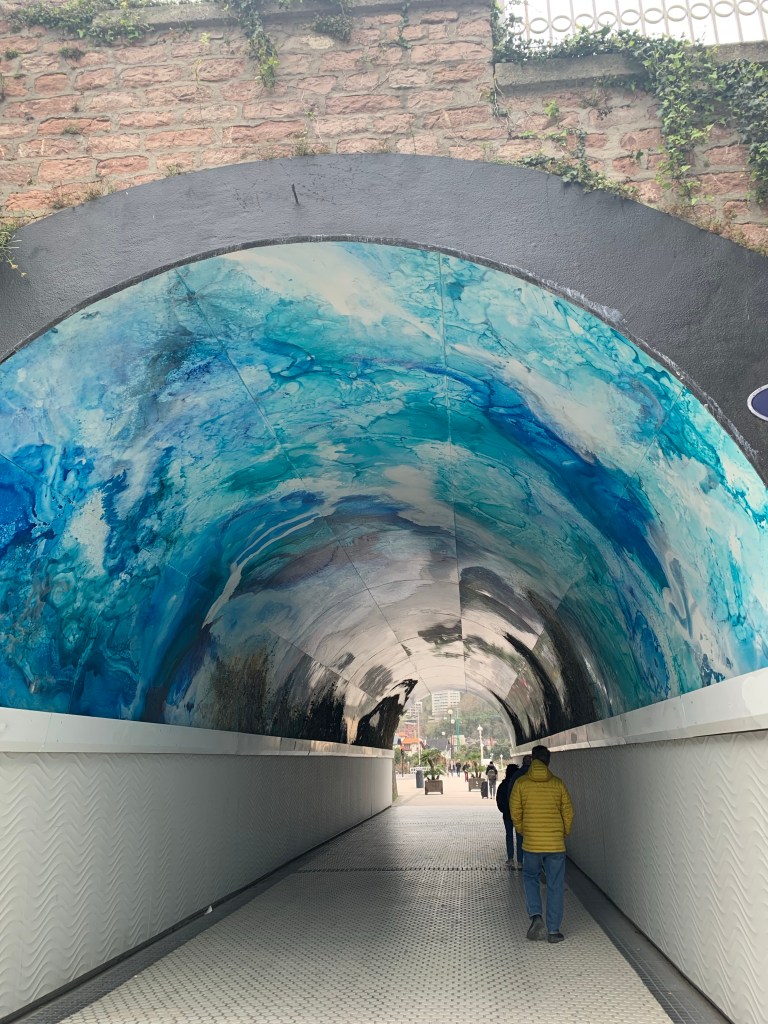
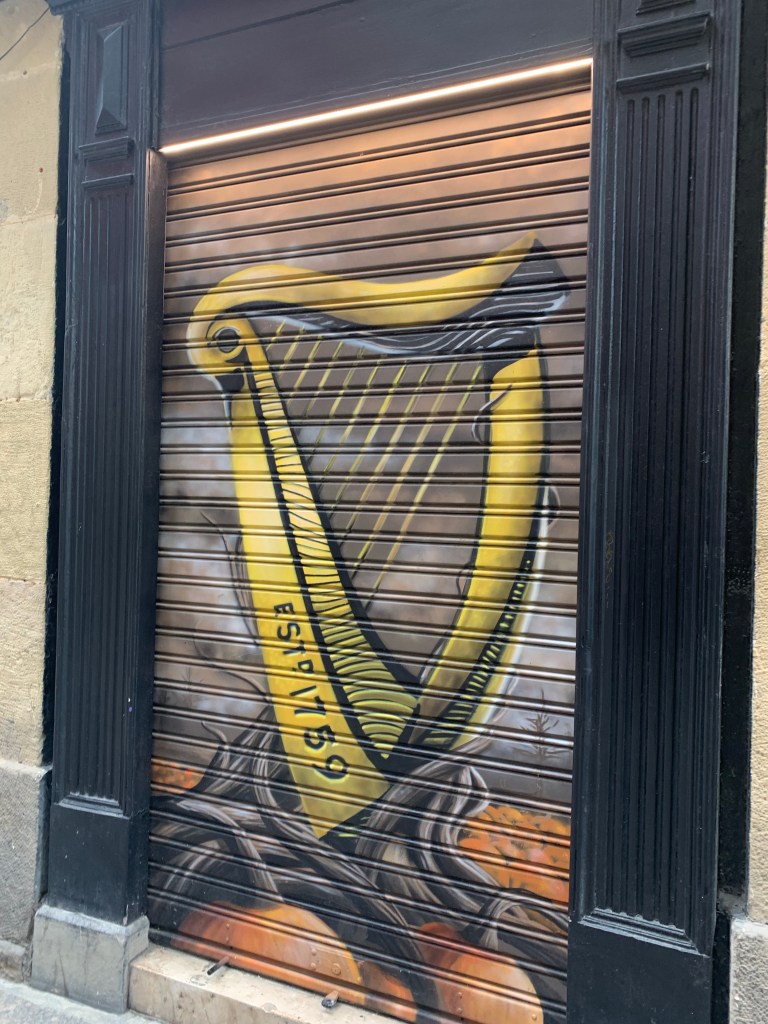
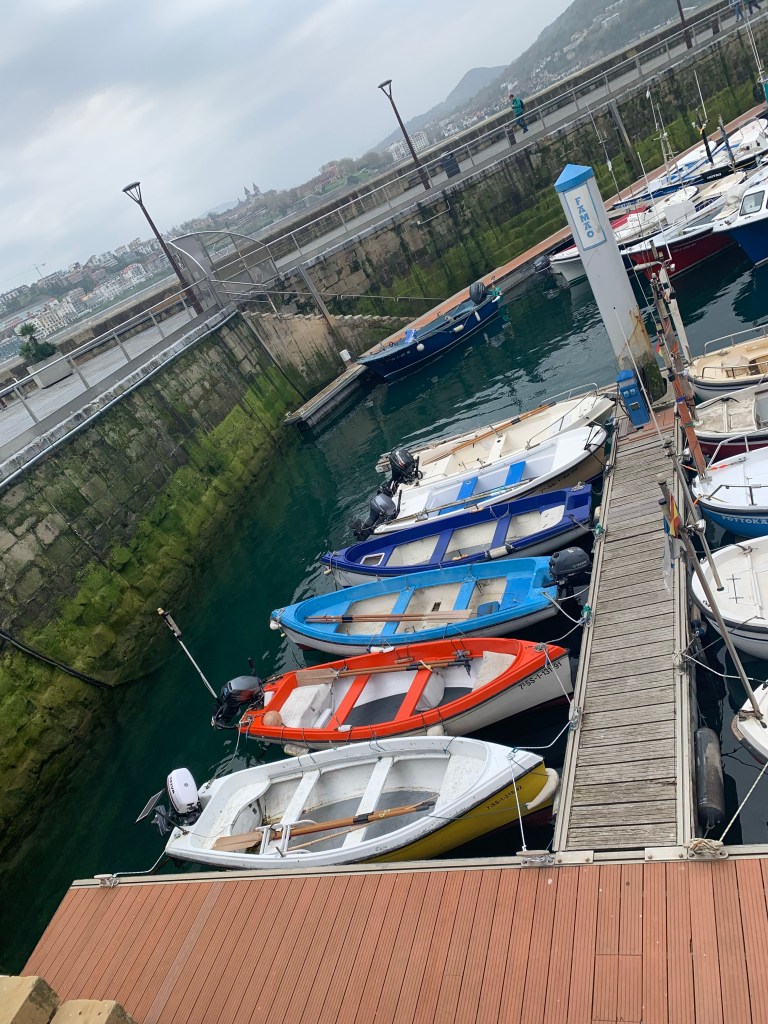
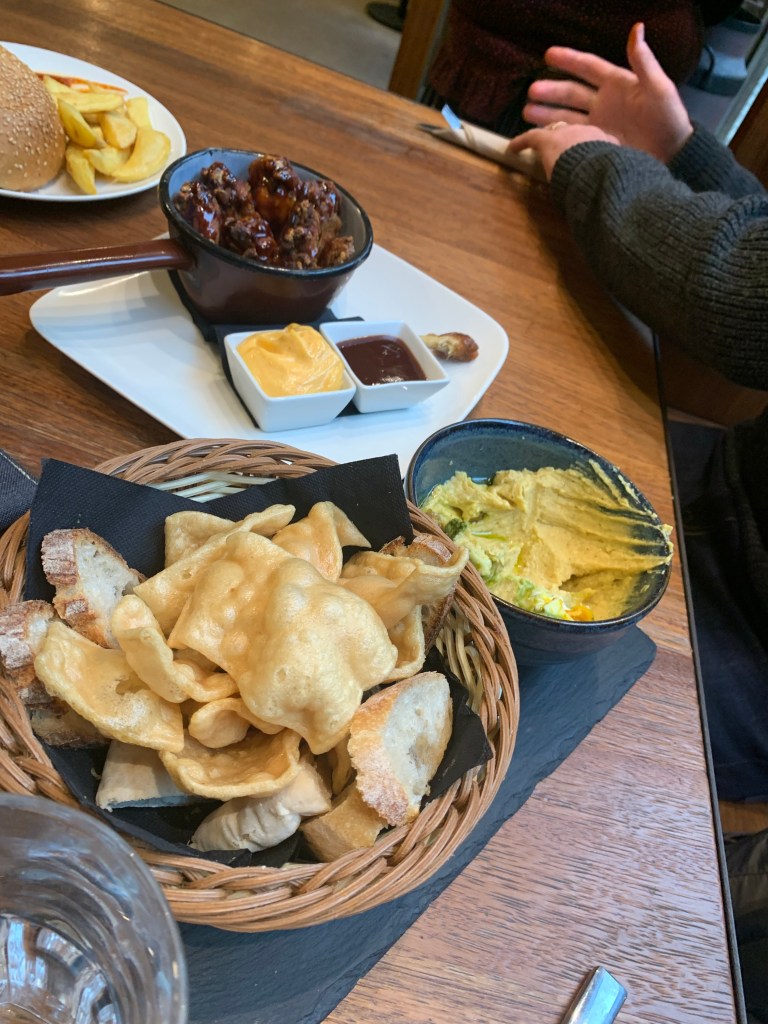
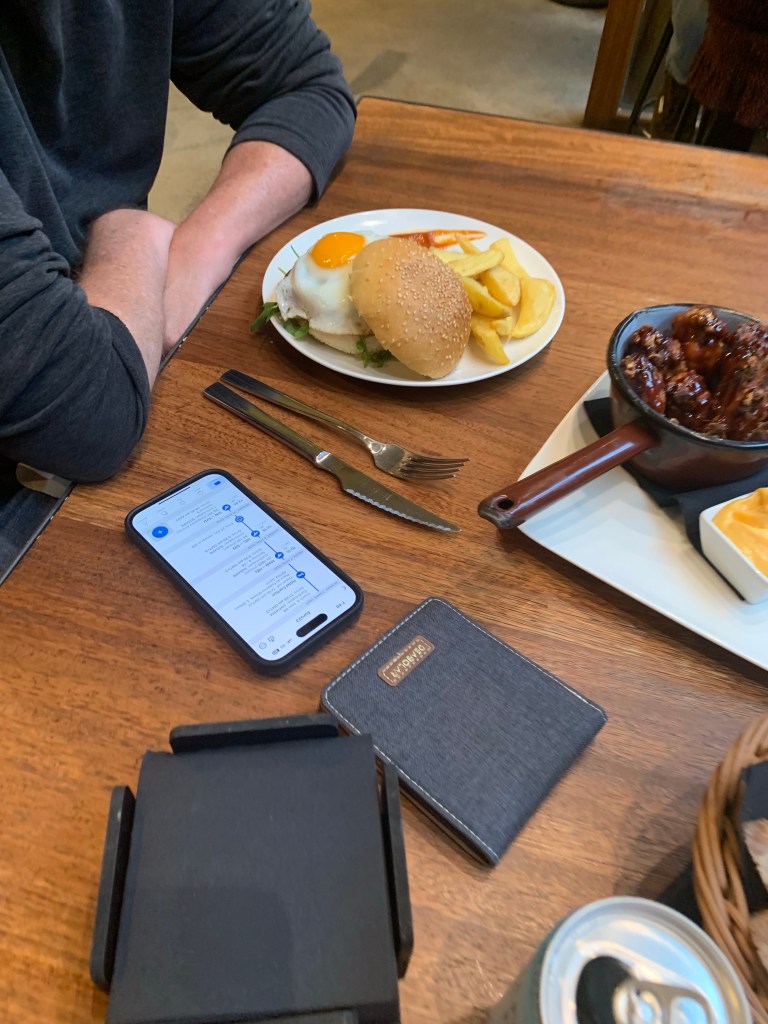
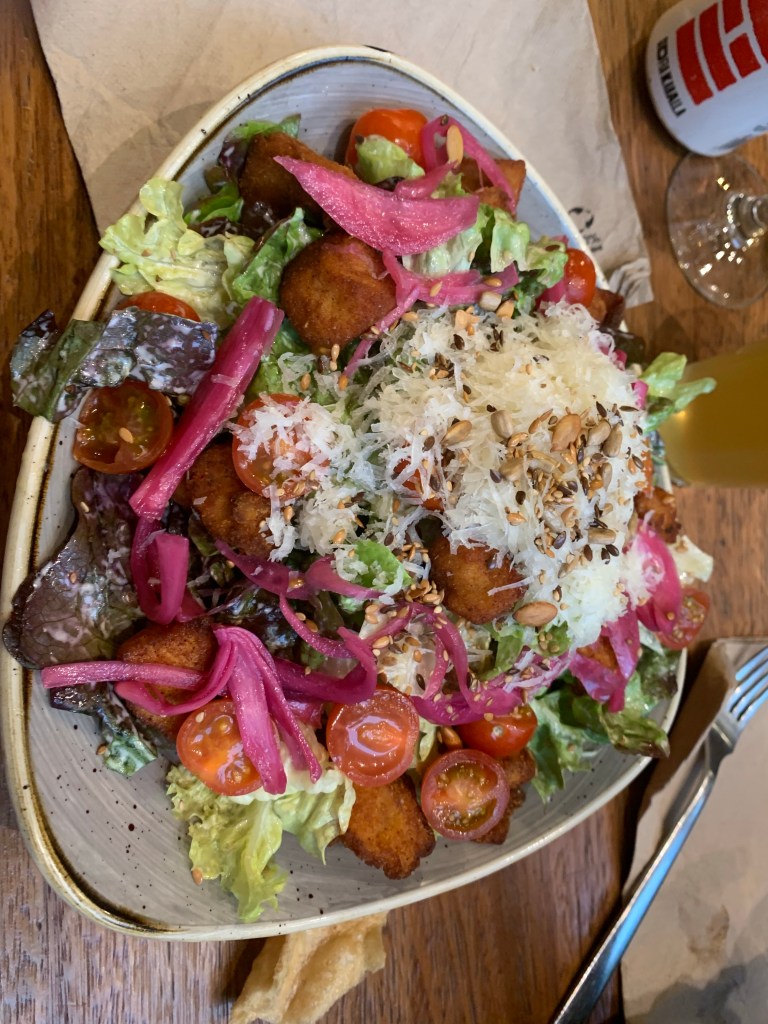
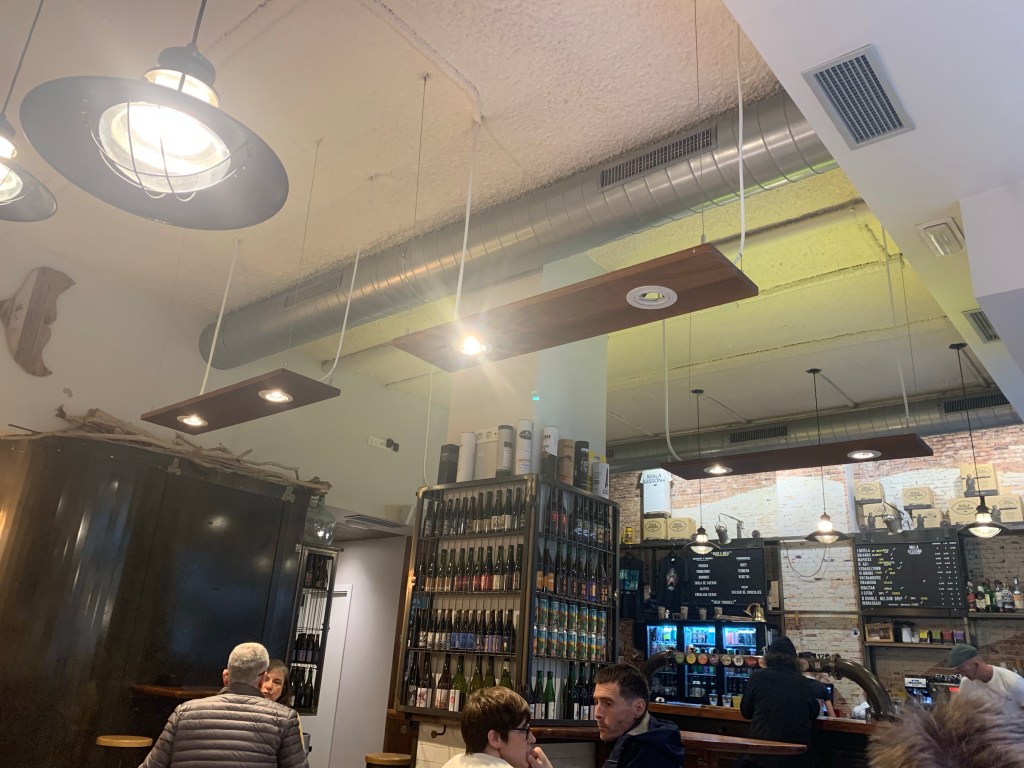
We finished our day at a pub that was recommended to us by Pelajo called Basquery. Great food and definitely where the locals hang on a Friday night.
At lunch time tomorrow we are jumping on a bus headed to Bilbao, an hour away.

 Travelling with Fi
Leave a comment