A day trip to Bruges and Ghent from Brussels, is on the cards. If you have time I would recommend that you visit both cities. I’d suggest if you can, spreading this over two days, rather than one day.
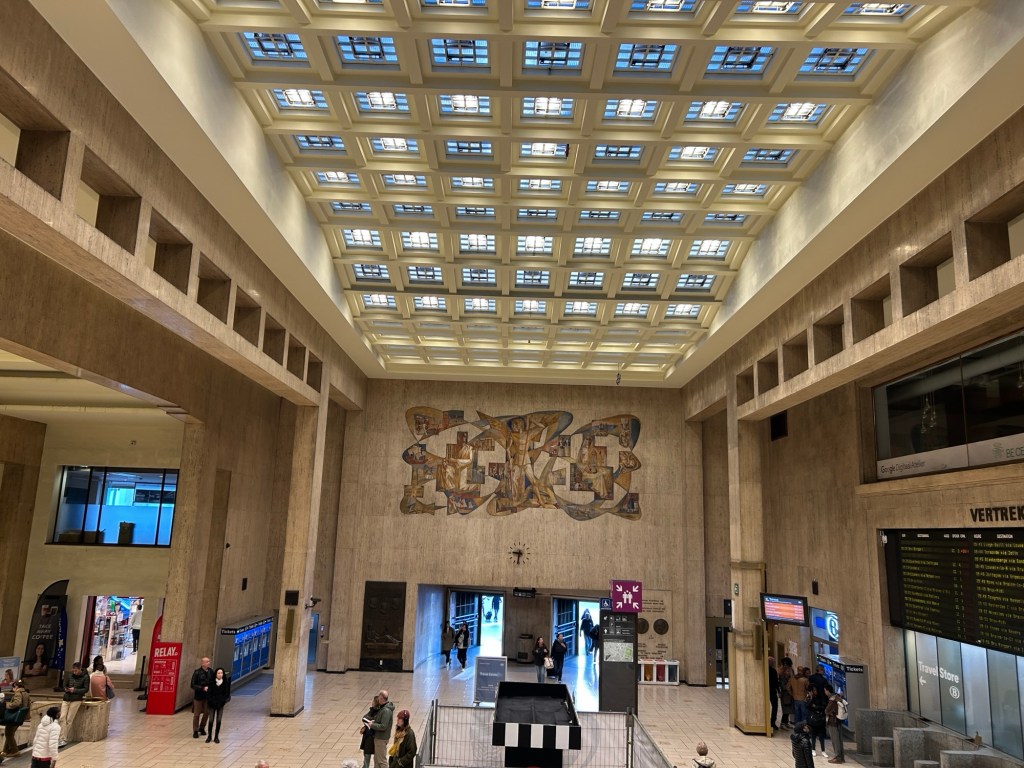
The train takes us just over an hour to get from Brussels to Bruges. Bruges is an UNESCO World Heritage City and it’s history goes back to the Roman Empire. The oldest remains found here are two boats that date back to the third century. The Romans did build a simple fortress here. It was used to successfully protect the people within the walls against Vikings.
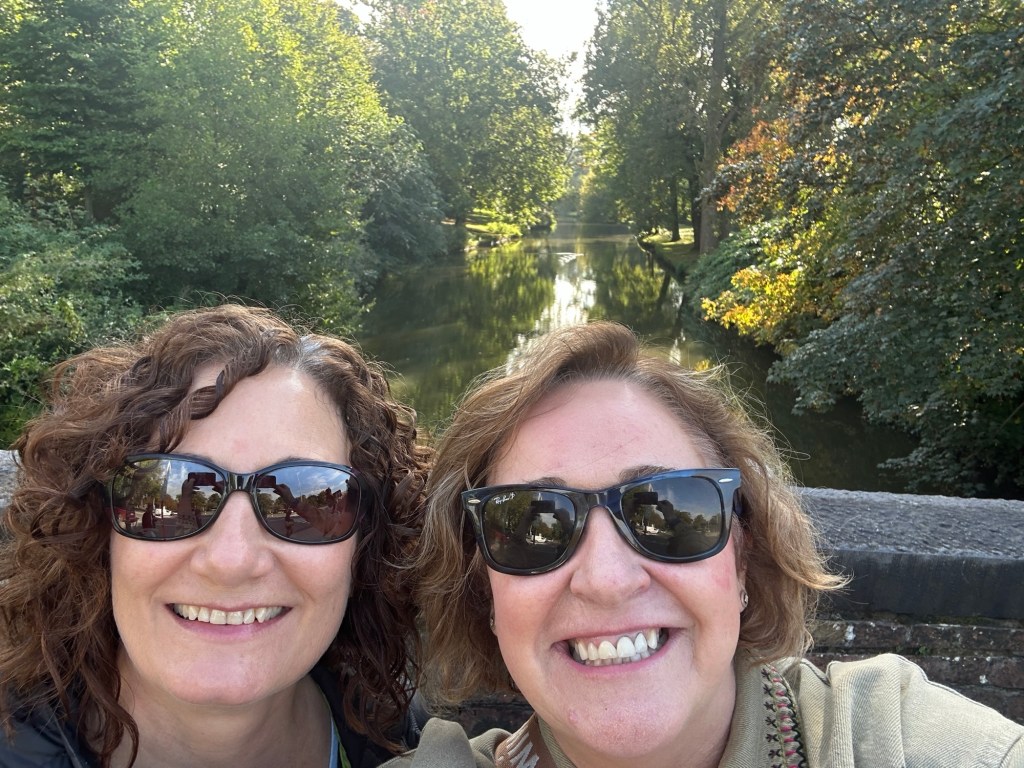
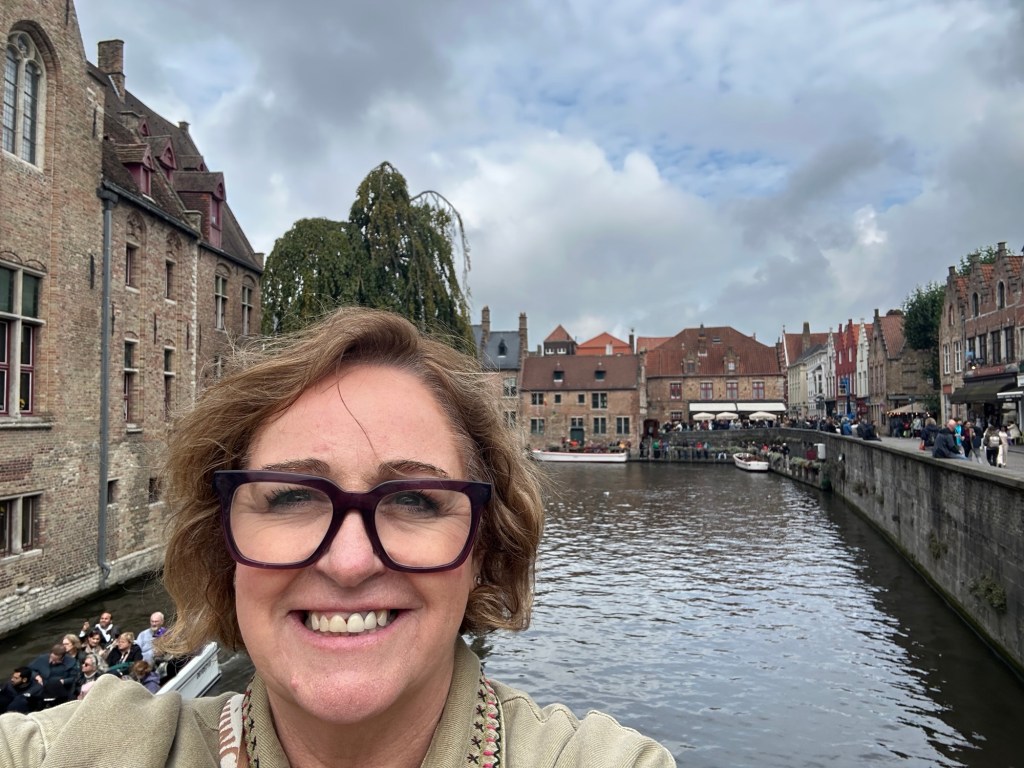
Bruges is in the north-west of Belgium and is the capital of the province of West Flanders. The population of Bruges as at 1 January 2024 was exactly 119,636. Bruges sees lots of visitors like ourselves each year. As well as having a lively past and being a medieval city it feels really cosmopolitan and young. It is a beautiful city to walk around and would be perfect place to stay for a few days. I can see myself happily sitting in the marketplace. I would enjoy a coffee and pastry or perhaps even a cocktail, while watching the world go by.
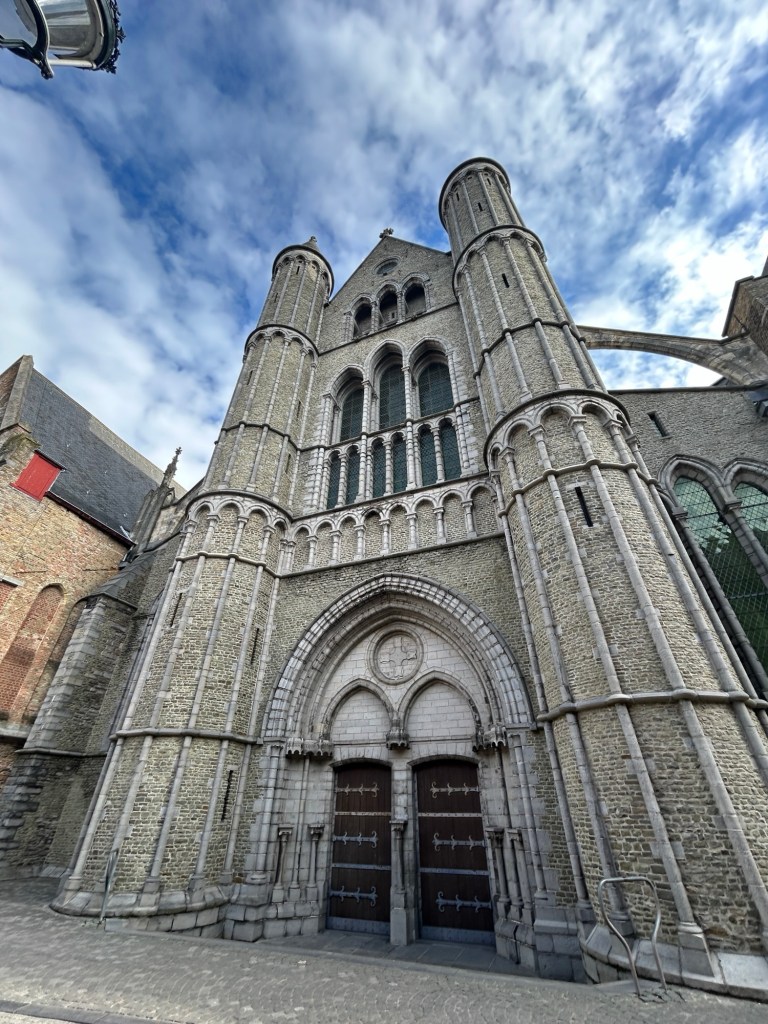
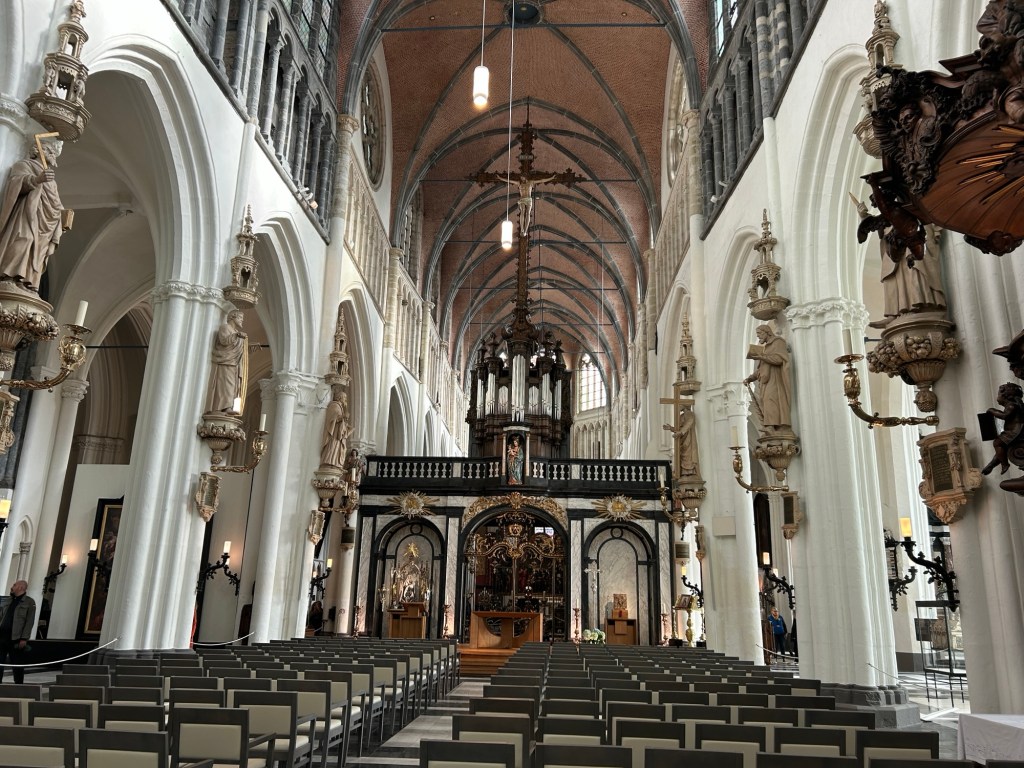
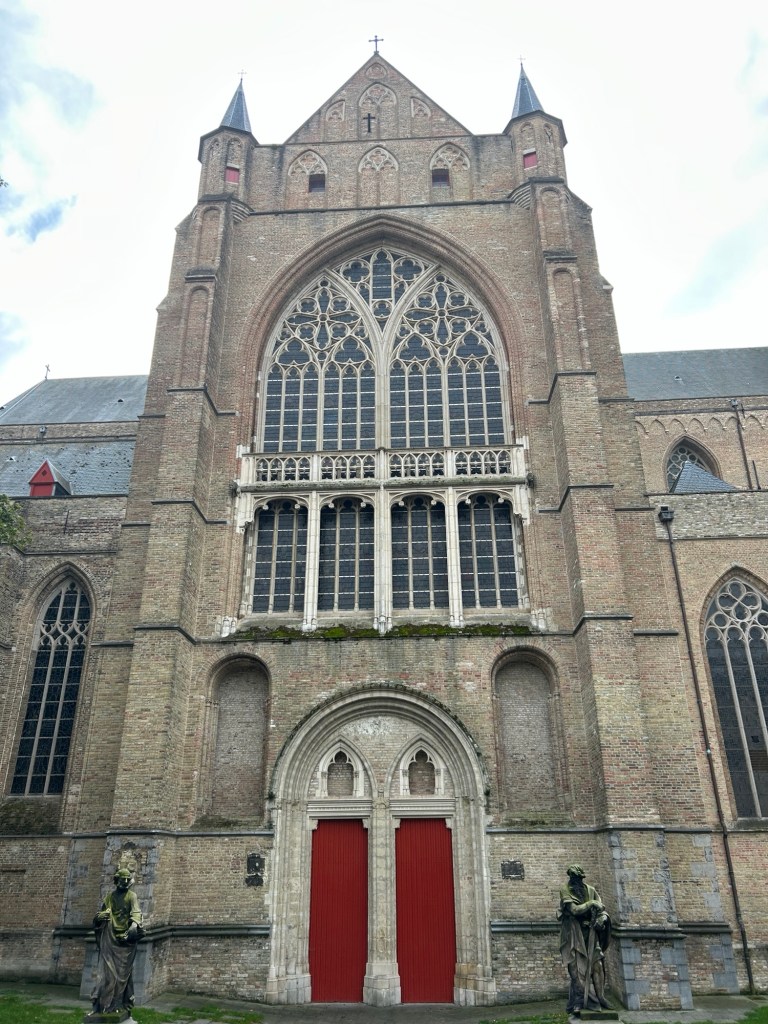
Our first stop is at the Church of Our Lady, a Roman Catholic Church which dates back to the 1270’s. It it the tallest structure in Bruges. You can buy tickets into an exhibition and museum in this Church. We decided not to as we have a busy day. It was lovely to walk through and had some really interesting artwork.
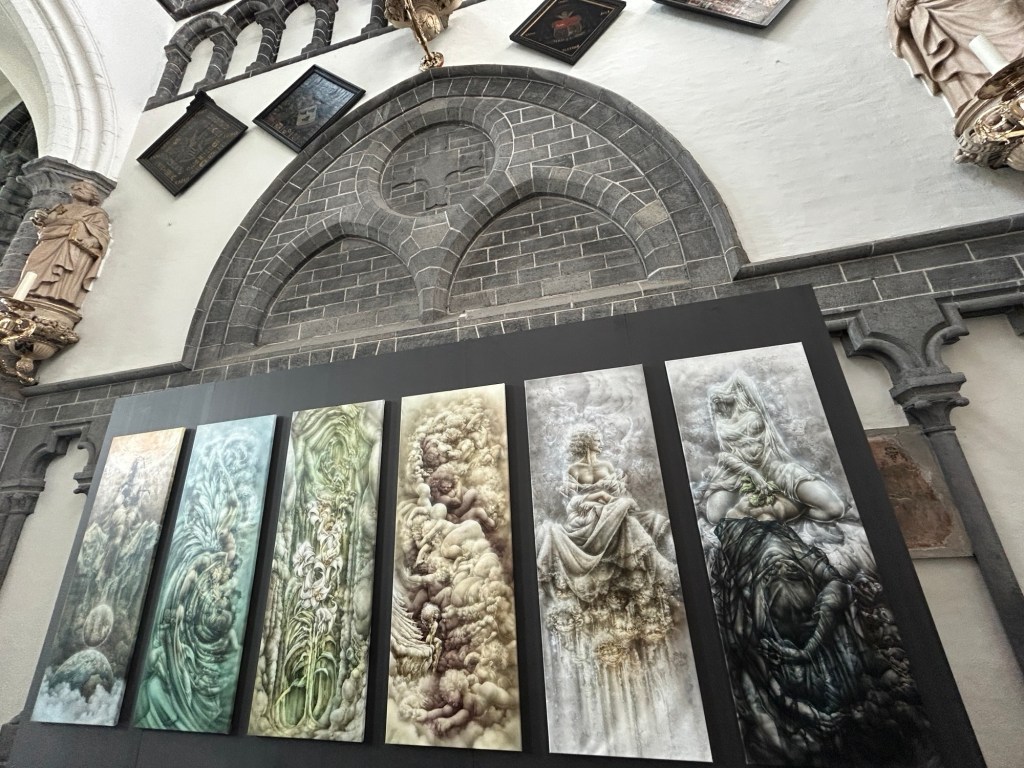
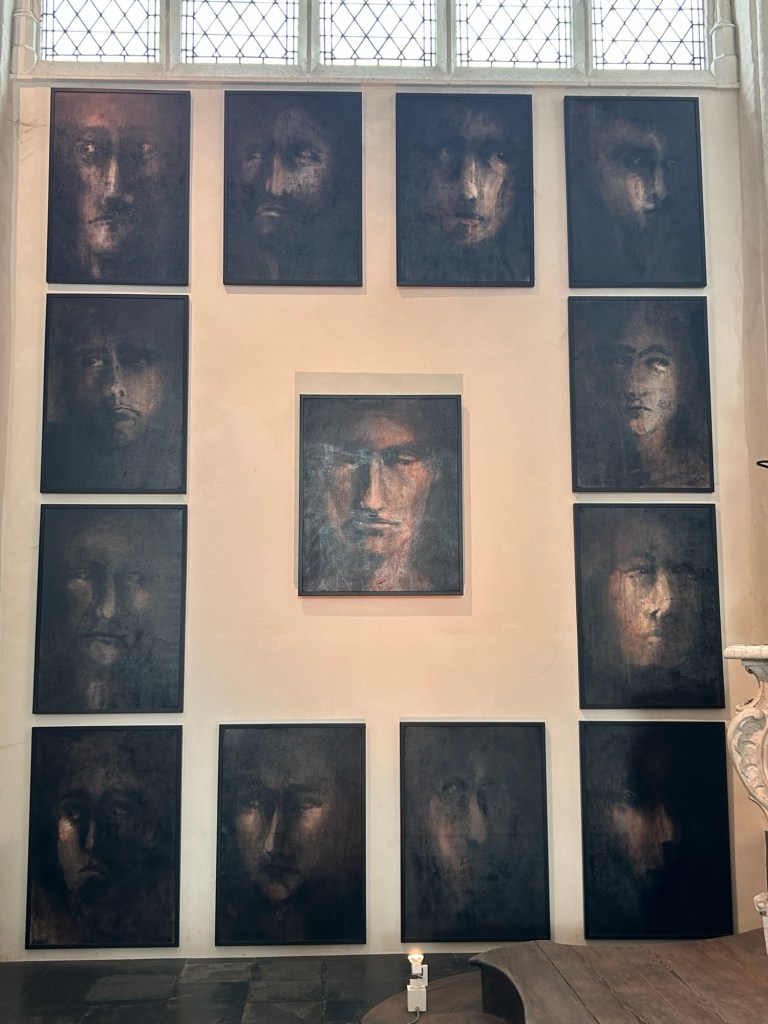
The “Derniere Cene” was designed in 2004 by Fabienne Havaux and sits almost in the Church foyer. It really jumped out to me and was definitely my favourite piece in this Church. It portrays Christ right in the centre of the picture on the night he was betrayed. He is surrounded by the twelve apostles. Only Christ is recognisable. All of the other faces are nameless but are the apostles. It is a powerful and unique piece, I was really moved by it.
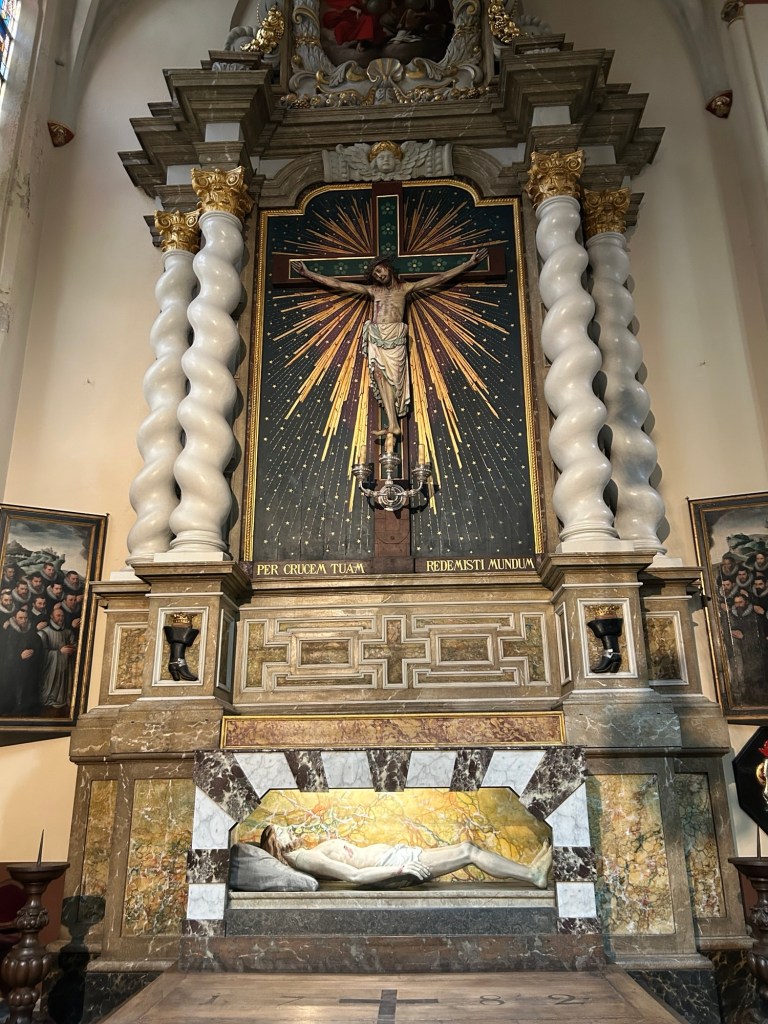
Our next stop is Sint-Salvatorskathedraal. The Cathedral is Bruges oldest parish church, there are eleven different Catholic churches in Bruges city centre. Of these we visited three. It is very beautiful and well worth a visit.
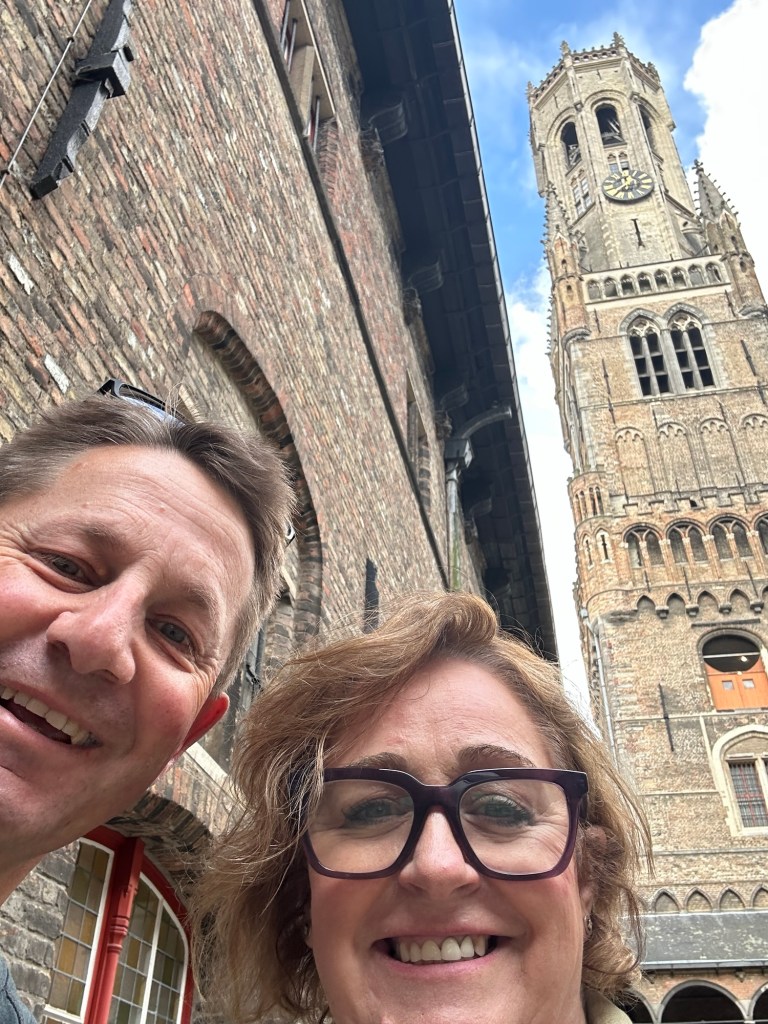
Next to the medieval Belfry. It is 83 metres high and is one of three towers in Bruges. The plan had been to climb the 366 stairs to the top for a magical view of the city. It also has an impressive carillon, with 47 bells. Unfortunately there was quite the queue, so now 366 stairs – phew! Oh and you may have noticed in the photo that the belfry leans 87 centimetres to the east.
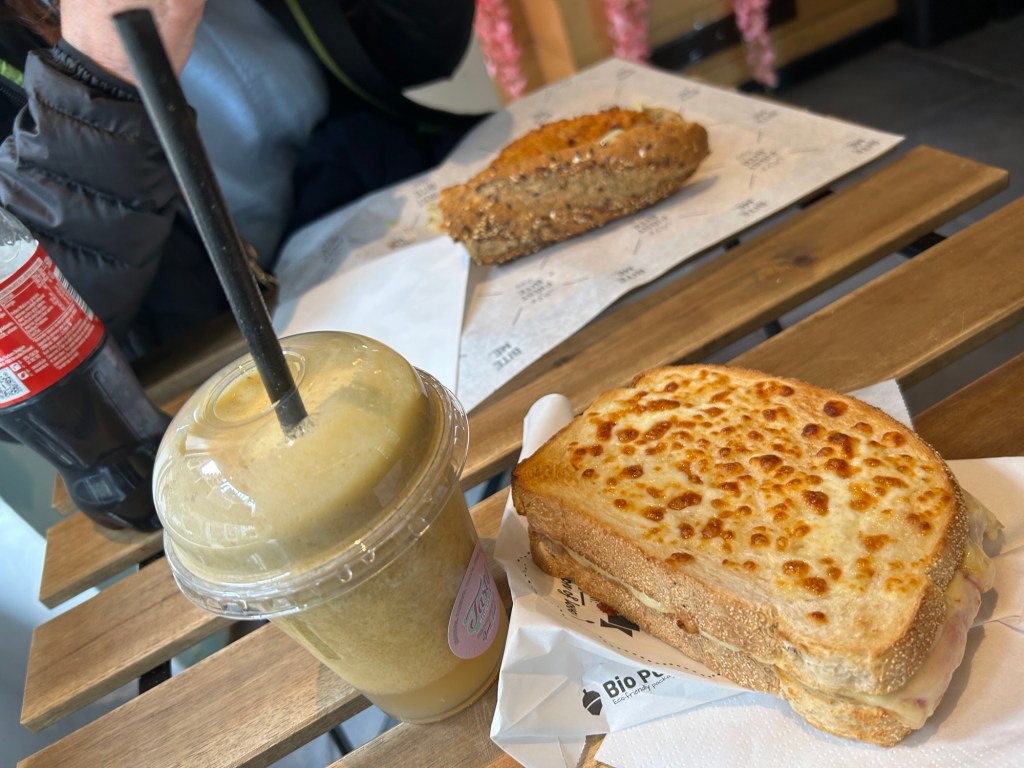

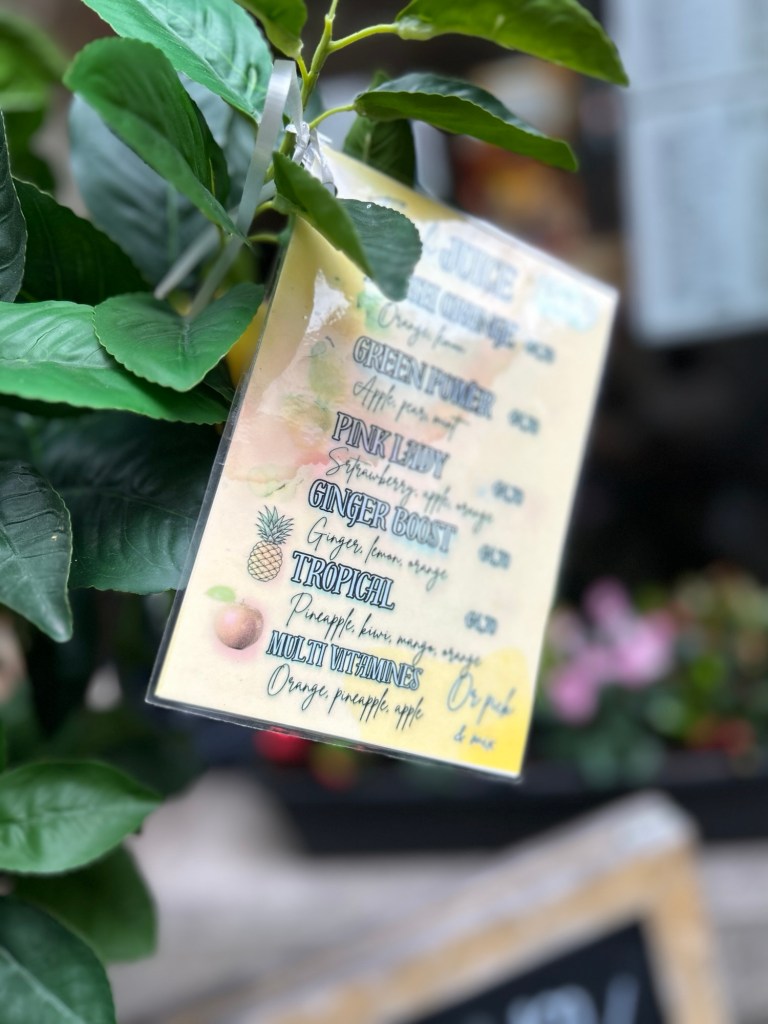
Lunch at a devine little cafe, for croque-monsieur and drinks. All of the locals were queued so we knew that we were on a winner. It’s lovely to have a little break as we feel like we’ve been walking for hours.
Now to the Basilica of the Holy Blood. Hmmm… what’s this?
So here’s the story of how the relic of the Holy Blood came to be in this Basilica in Bruges..
After the crucifixion of Jesus, Joseph of Arimathea washed His body with cloths. These cloths were not thrown away but kept in Jerusalem as relics. The original story of how this relic arrived in Bruges starts with Count of Flanders, Thierry of Alsace. He was in Jerusalem in 1150. The Count received the Relic of the Holy Blood as a gift. He brought it from Jerusalem to Bruges the same year. Good story – but historians highly doubt this version of events. At the time, there was a Monk with a good imagination. He may have shared some of his ideas, hence many believed this story.
Historians have expressed their views. They link the Relic of the Holy Blood to the fall and looting of Constantinople in 1204. During this period of history many valuable Relics were taken by crusaders to Western Europe – so it fits.
The next question is then – how the Relic of the Holy Blood end up in Constantinople? There is much conjecture on this, so perhaps we save it to another time. I’m not sure which I prefer ..
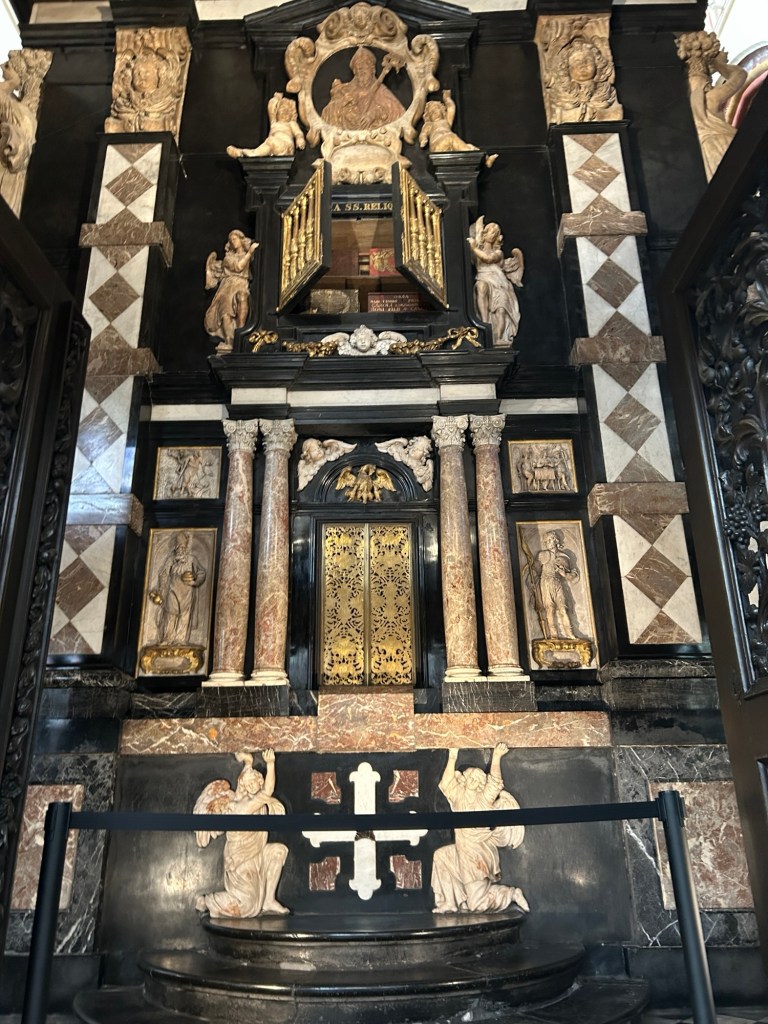
Regardless of how it arrived in Bruges in 1400 a decision was made that this Relic needed protection. And so the Noble Brotherhood of the Holy Blood was founded. The purpose of the Brotherhood was to safeguard the Relic and to promote its veneration.
There are (yes to this day) 31 Brothers here in Bruges in the Brotherhood. If you are interested in a role there are a couple of stipulations. You must live in Bruges and you must be honourable.
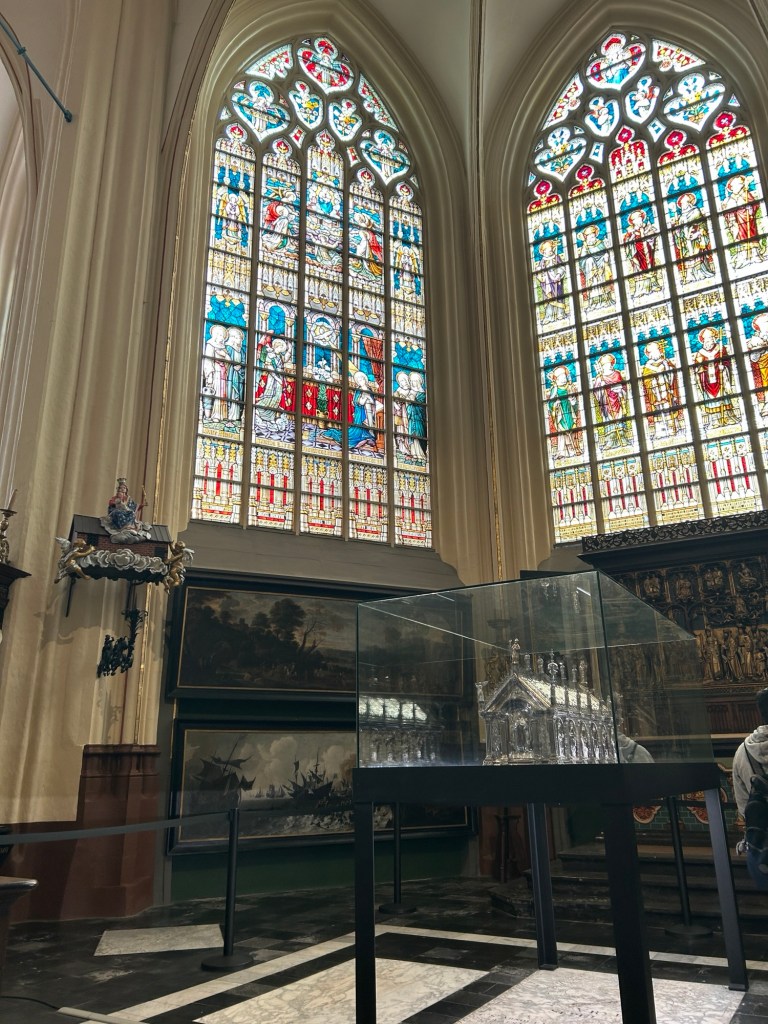
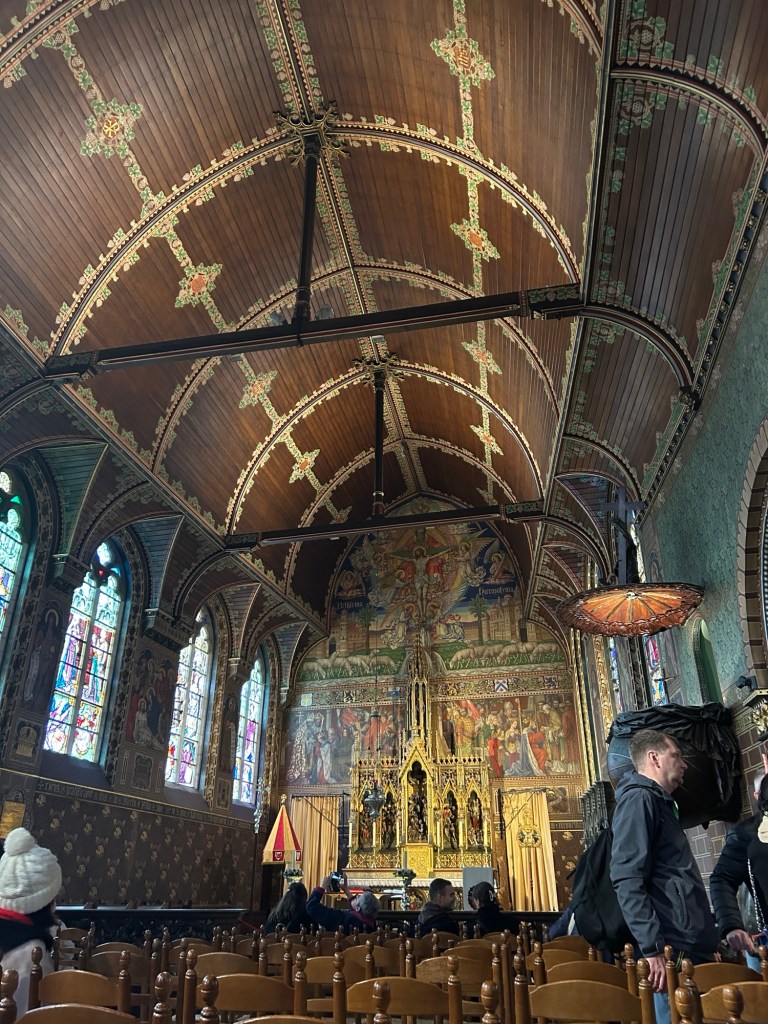
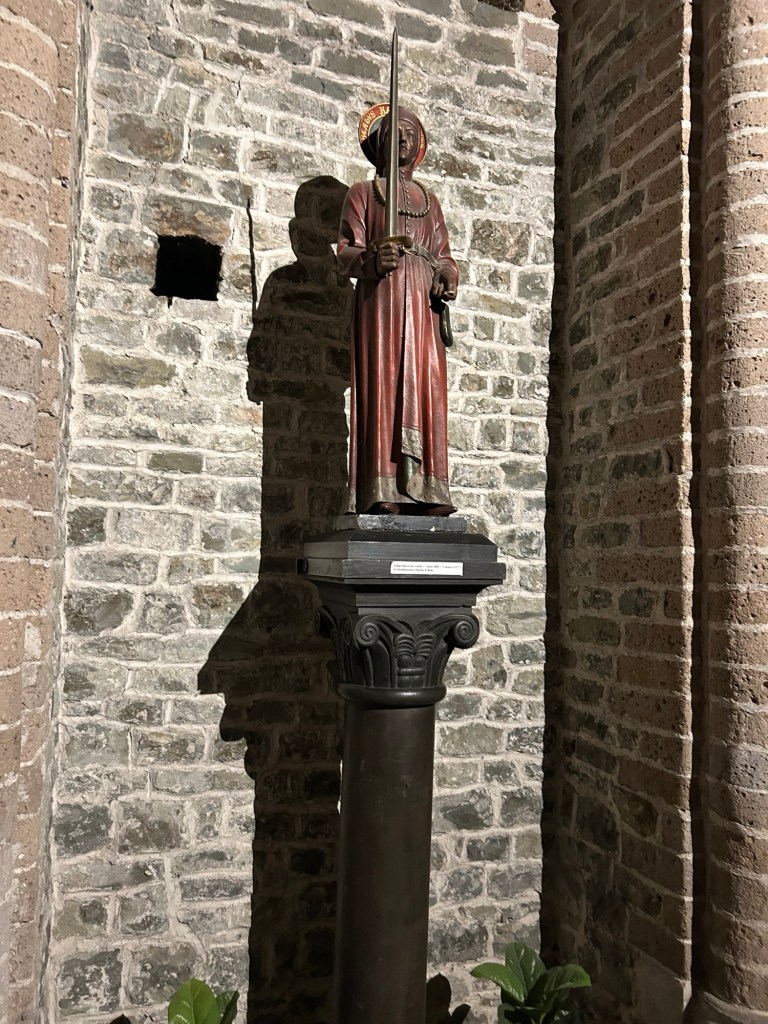
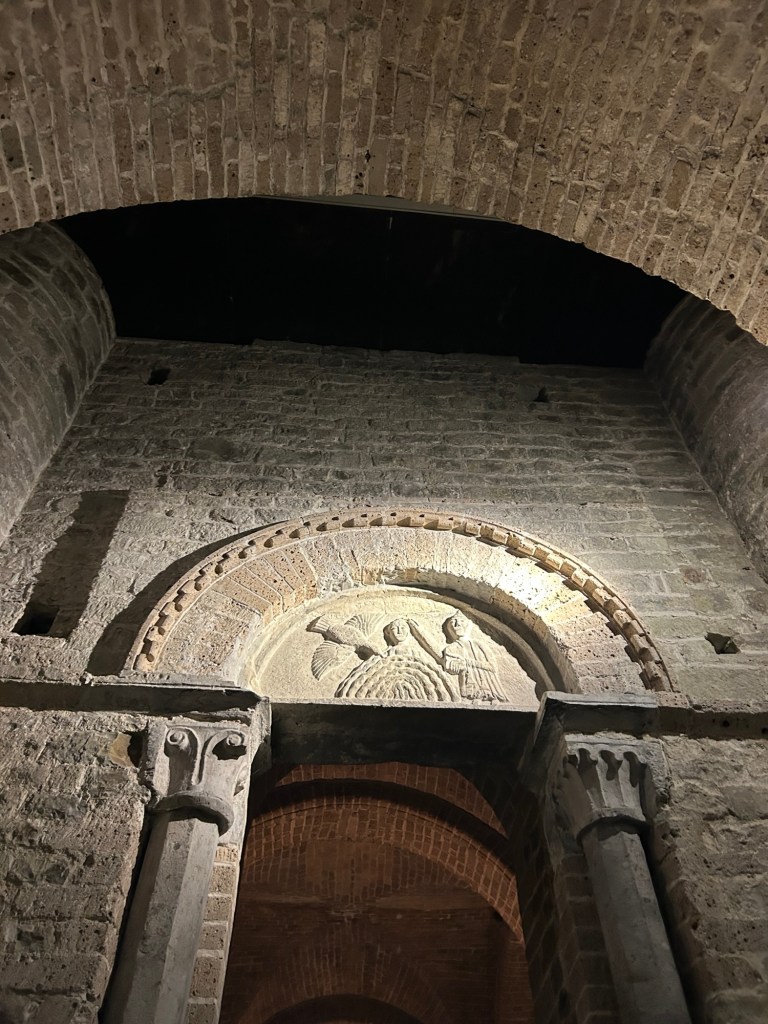
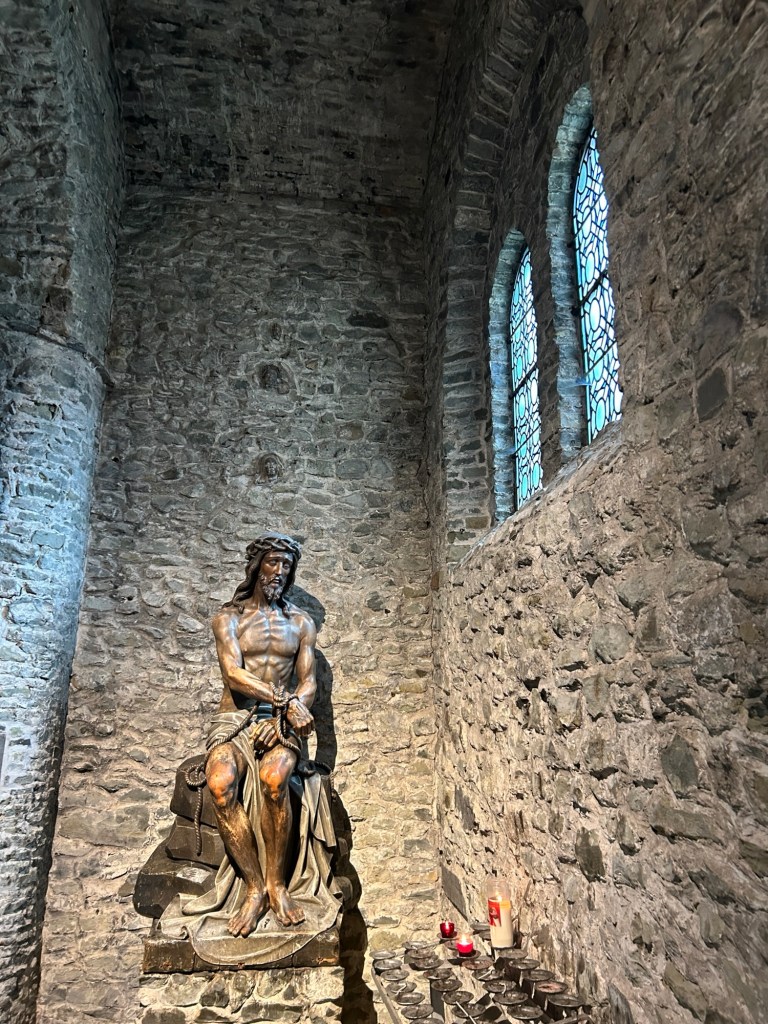
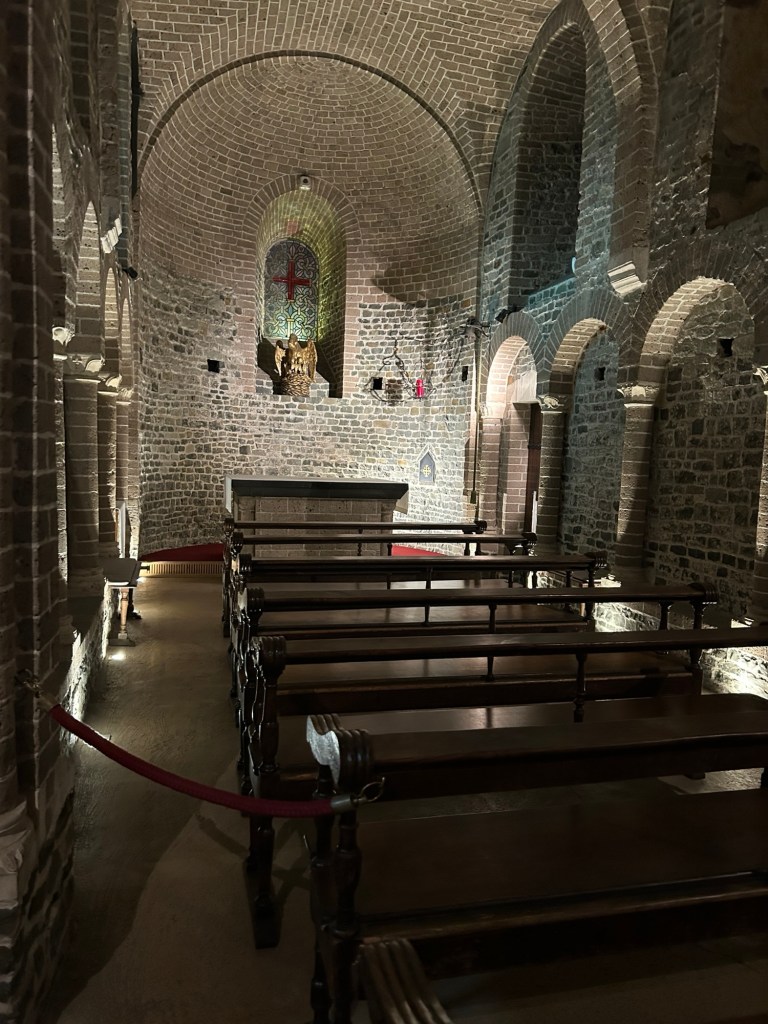
It is a truly fascinating Gothic style Church. Built in the 15th century it is dark and mysterious. There is daily veneration of the Holy Blood, which we saw some people be part of. There is also the Procession of the Holy Blood on Ascension Day, which I think would be quite a spectacle.
After about four hours we jump on a train from Bruges to Ghent. The trains are about every half hour and so it makes the day flexible. The ticket we bought was through to Bruges but you could stop either way. The train from Bruges to Ghent takes about 20 minutes. Our day hasn’t quite panned out the way we expected, but it was hard to leave Bruges. As it was we still had quite a bit to see. Not getting to Ghent until after 3.00pm does mean that we have less time here in than we had originally planned.
Ghent is the capital and largest city of the East Flanders province and is closer to Brussels than Bruges. It is larger than Bruges with a population of 477,000 people at the beginning of this year. Until the 13th century Ghent was the biggest city in Europe after Paris.
Given its size we use the visitor friendly local tram system. After working out the ticket system, which was tricky as the machine was broken it is easy to navigate. Ghent is described as quirky on its website and I love that description. Its a chilled out city with a big castle and a gorgeous river – what’s not to like. When you go onto the website there is a long list when you look up things to do in Ghent. Sadly, we’ve only got a couple of hours here. We won’t see everything, but we will make the most of our time here.
Now that I have been here, I am not surprised by the annual ten-day music and theatre festival. It is attended by 1.5 million people. Its called Gentse Feesten, and as well as stage acts there are street acts including mimes and buskers. The city is perfect for a festival. It has a number of big open spaces. I can see them filled with people enjoying a festival.
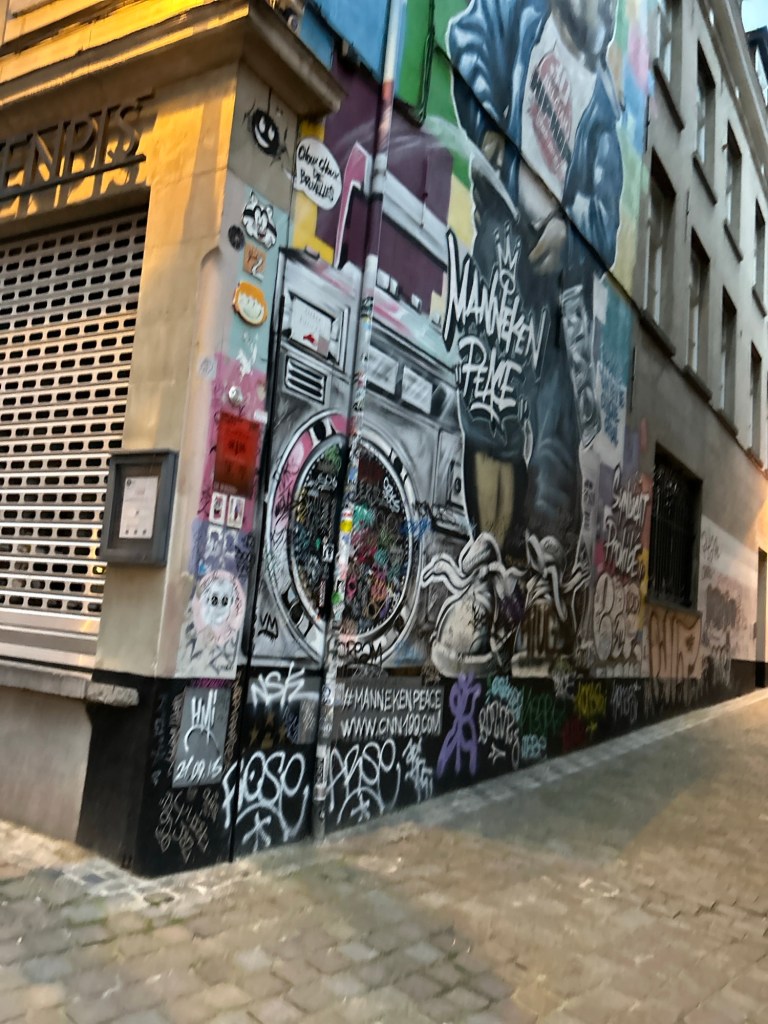
Our first stop is Sint-Michielsbrug bridge (St Michael’s bridge). This location is described as an incredibly romantic place. It is apparently perfect to take a selfie at night.
St Michael’s bridge was completed between 1905 and 1909 and was designed by Louis Cloquet. This bridge also has references to a Bible story, wish I had the photo to share (sorry). On a lamppost there is a bronze sculpture of the Archangel Michael with a dragon at his feet. Hence the name of this bridge.
And just around the corner – is Gravensteen – the Castle of the Counts. We purchased audio-guides to go through the Castle for EUR13 and they were okay, not great but okay. But the Castle was great, I do love a Castle.
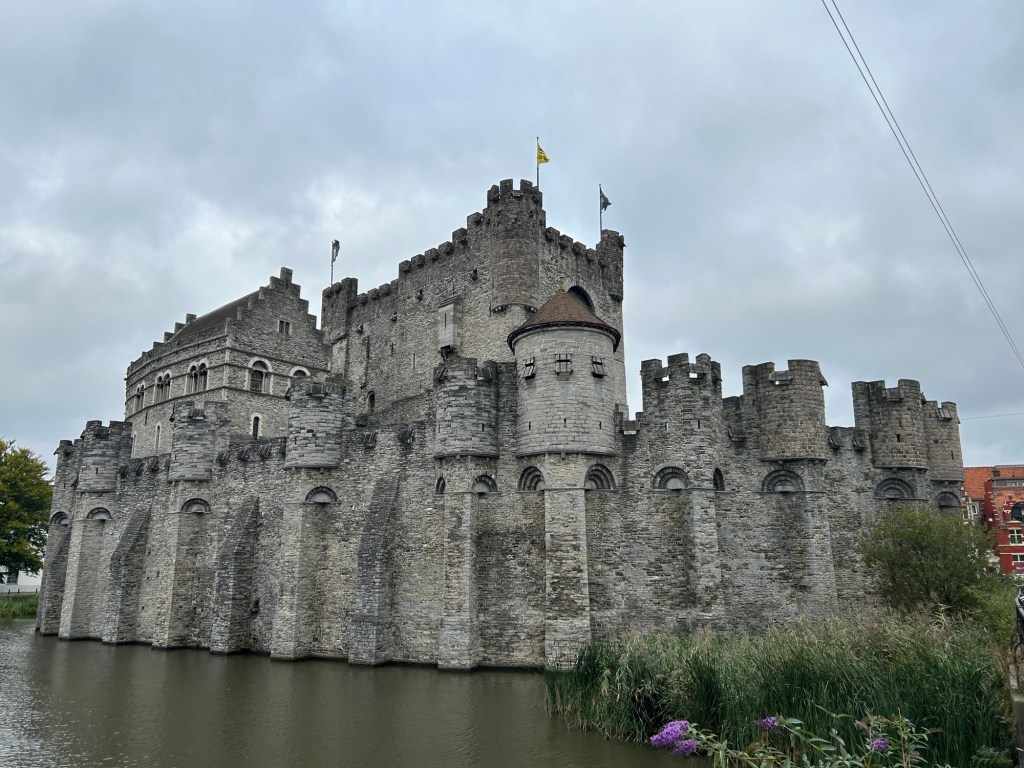
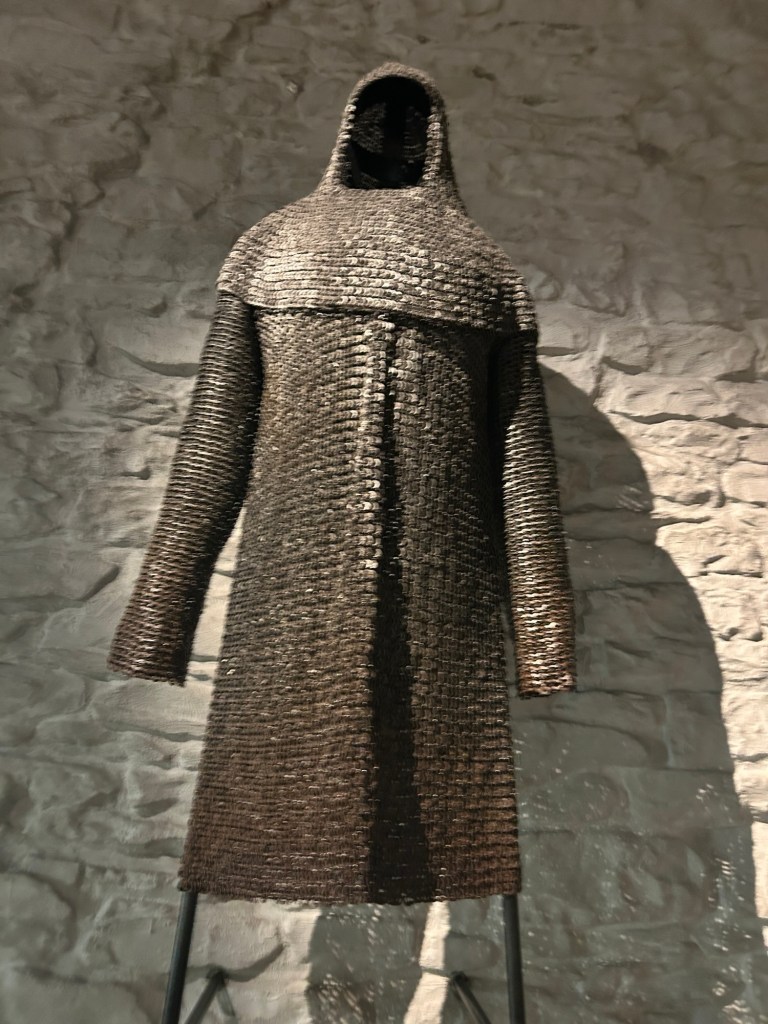
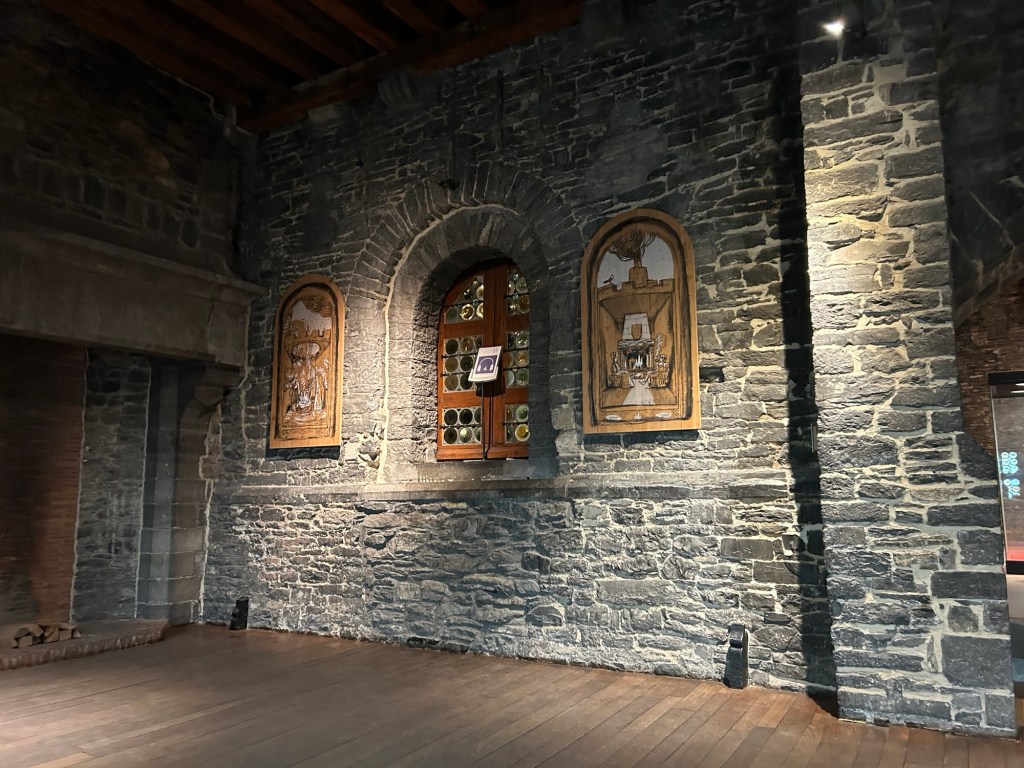
Like most castles its history is full of drama, murder, torture and intrigue. In the 800’s Count Arnulf of Flanders built a small Castle on this site. Then in the 12th century it was replaced by a much larger residence. Yes it was all about the size. And yes surprise surprise, it has the best views of the city.
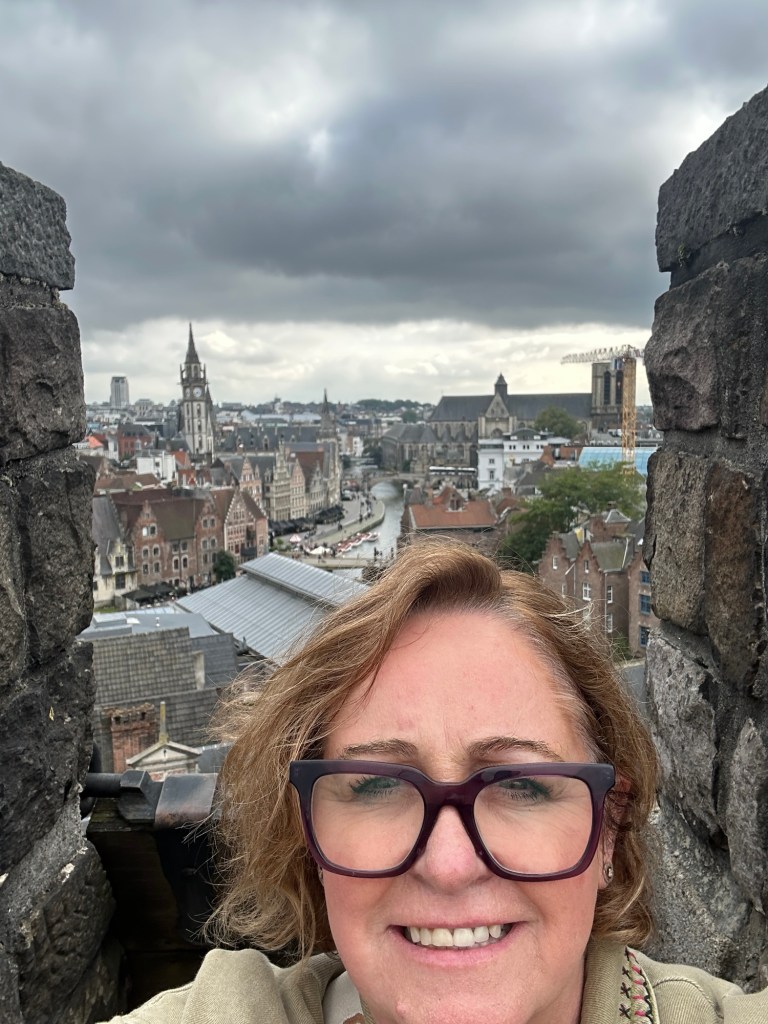
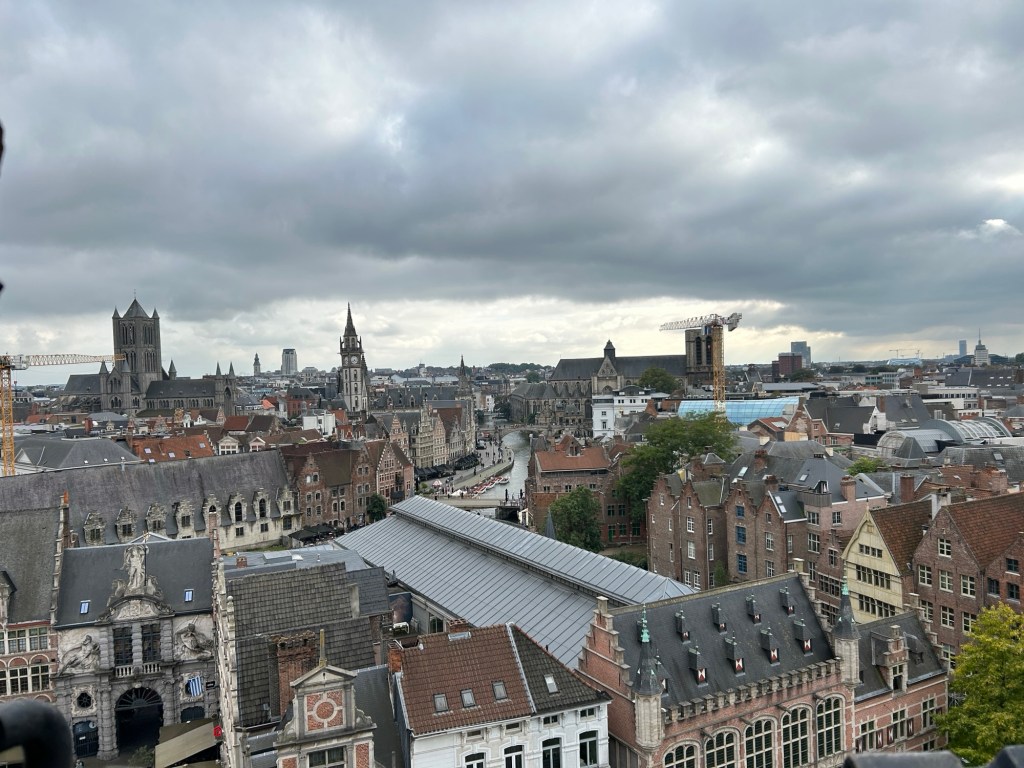
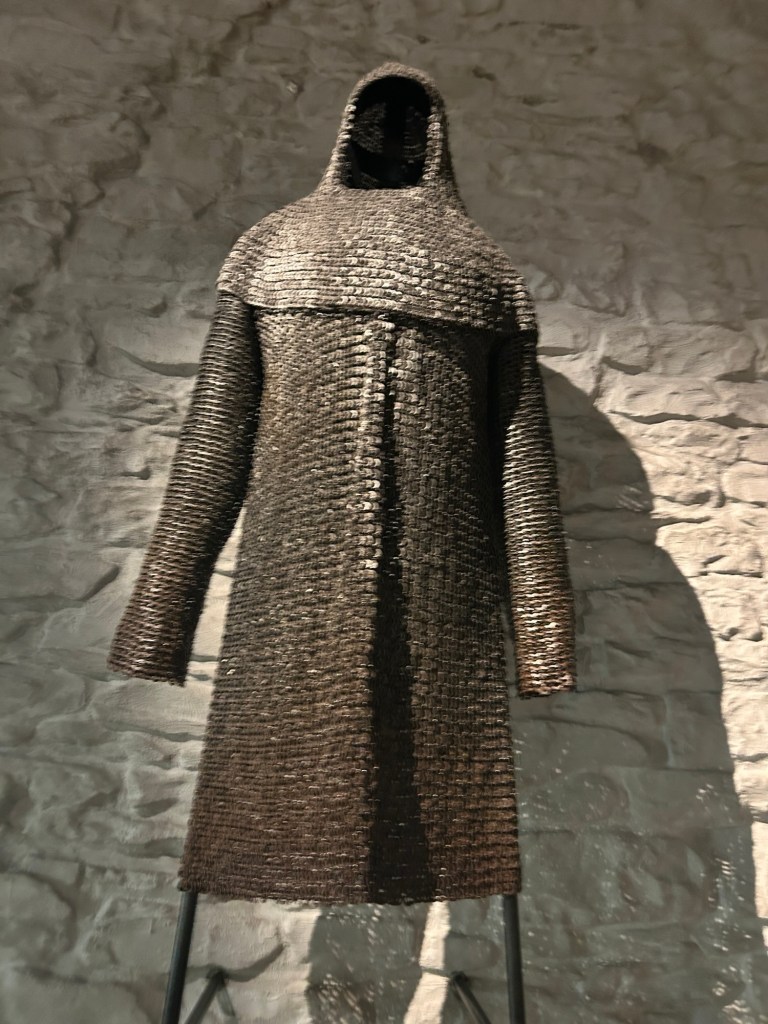
We heard a lot about torture (yes it deserves a second mention) isn’t it sad that somethings never change. I walked through it thinking if only these walls could talk.
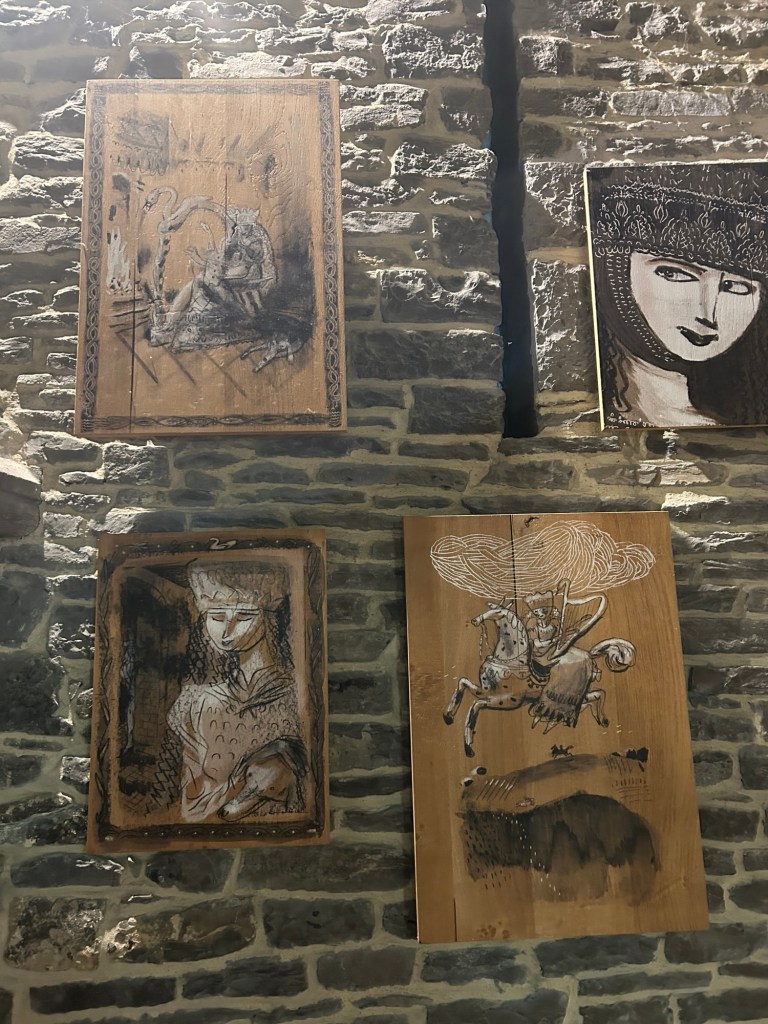
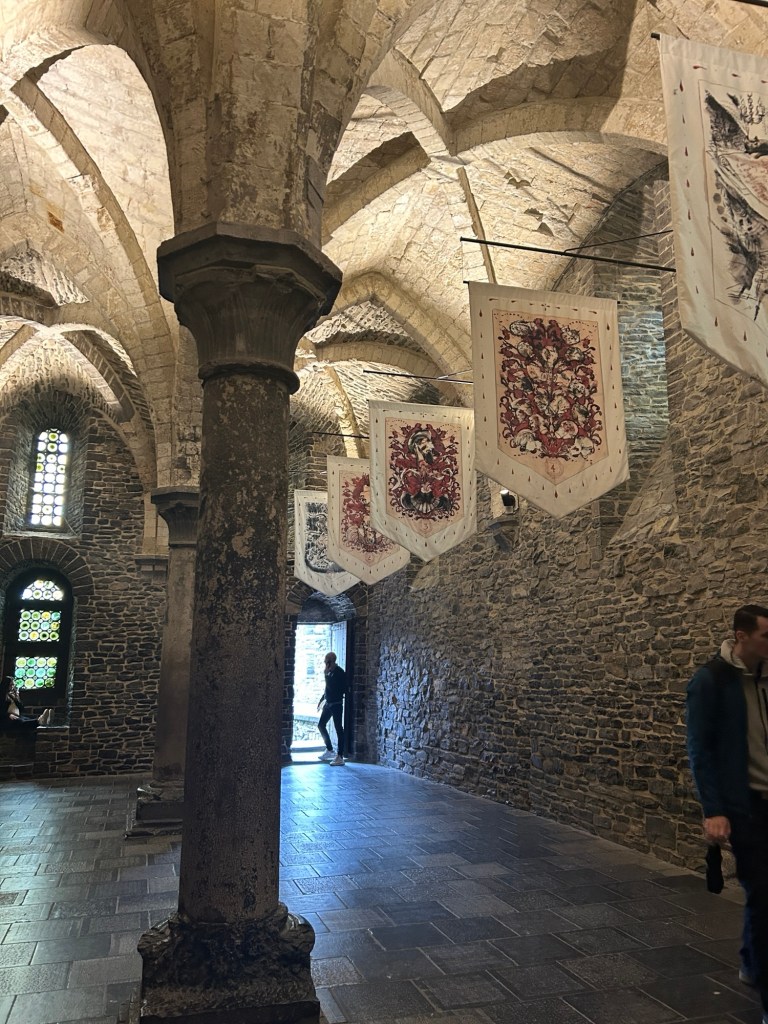
Ghent is a place I would like to visit again. There was so much to see. We only had a couple of hours there. And our train ride home to Brussels was only about 25 minutes. It was a great day. I’m so pleased that we went to these two fabulous and very different cities.

 Travelling with Fi
Leave a comment