We arrived late last night in Donostia (San Sebastian) and wheeled our cases through the balmy cobblestoned and windy streets of this beautiful town not checking into our hotel until about 10.00pm.
San Sebastián or Donostia as the locals call this place is located in the Basque Autonomous Community Spain, on the coast of Bay of Biscay just 20 kilometres from the France-Spain border. It is a place best known for its Basque cuisine – excellent !
There were 187,849 people within the metropolitan are in 2022, it is quite busy as the weather is getting warmer so I can imagine it’s pretty busy during summer. We are staying at a lovely quaint hotel typical of the area overlooking the beach.
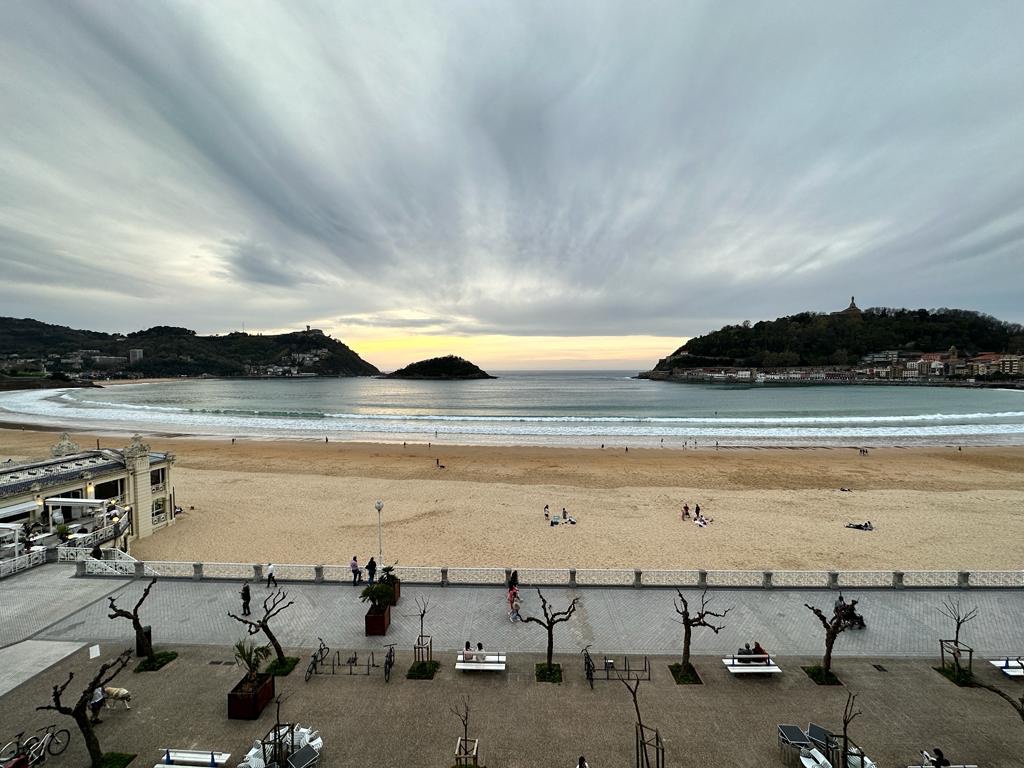
We are doing a walking tour tomorrow so today was all about doing a little exploring of our own and getting our bearings.


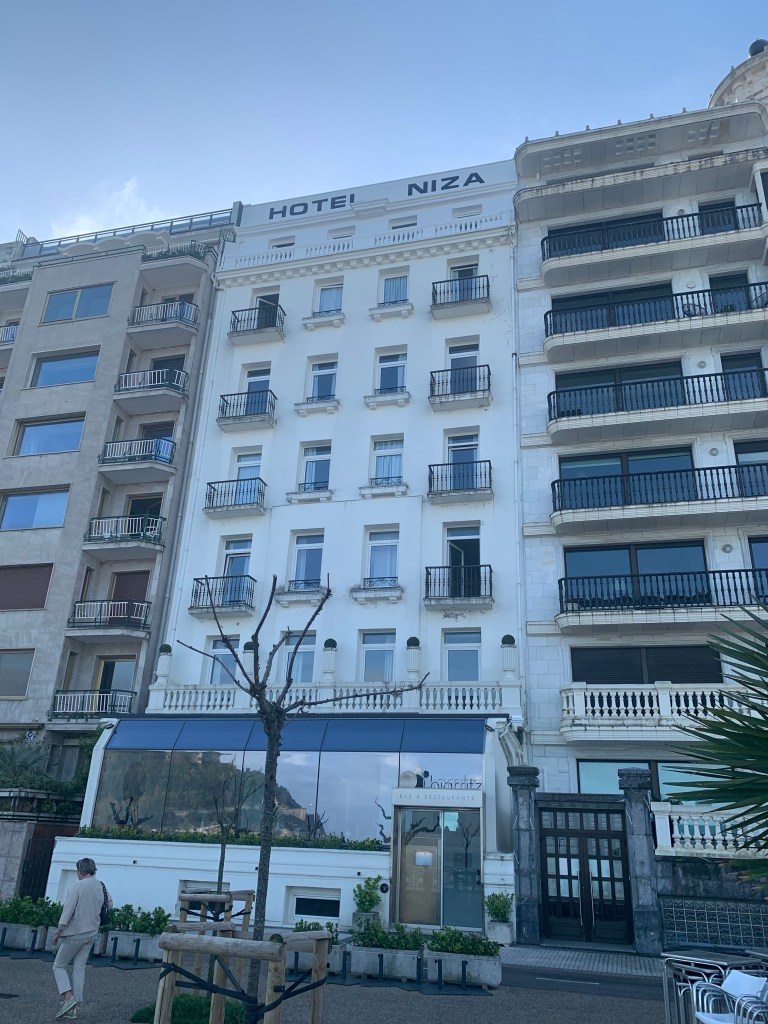


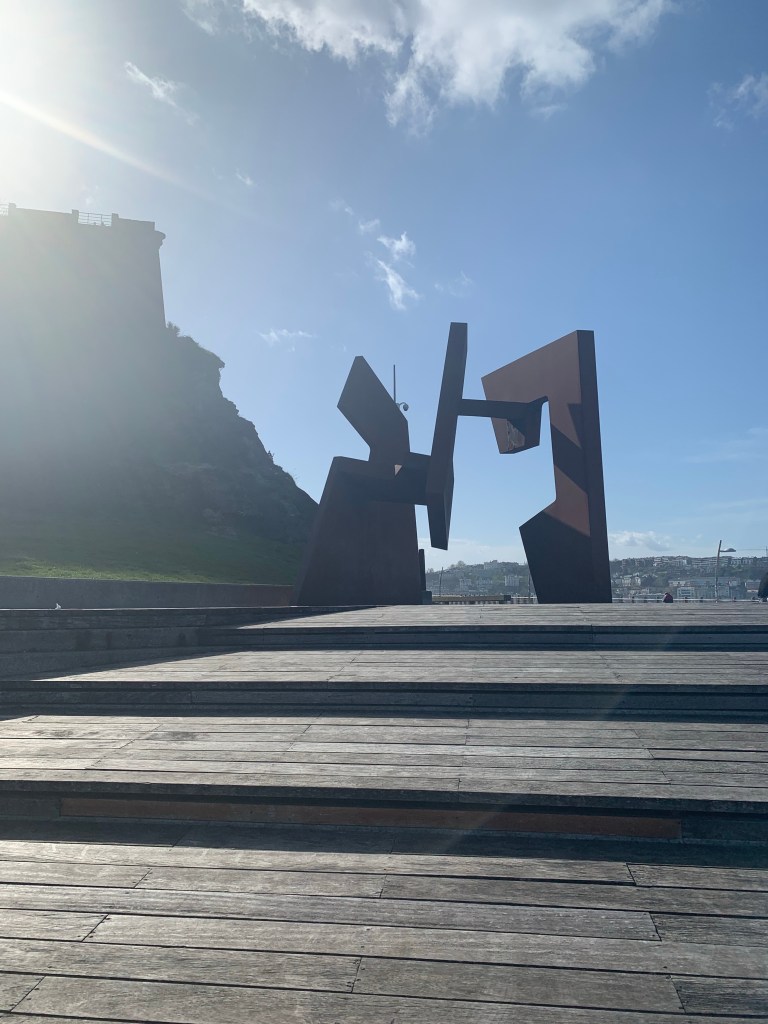
We decided to head up Monte Urgull to the castle on top the Castillo de la Mota (or motako gaztelua in Basque). It sits 130 metres above sea level and when you get to the top has spectacular views of this very pretty city.
It’s a bit of a trek but the trip is broken up by lots of places to stop and explore. It’s the perfect place to take kids, partners and/or dogs with lots of energy.
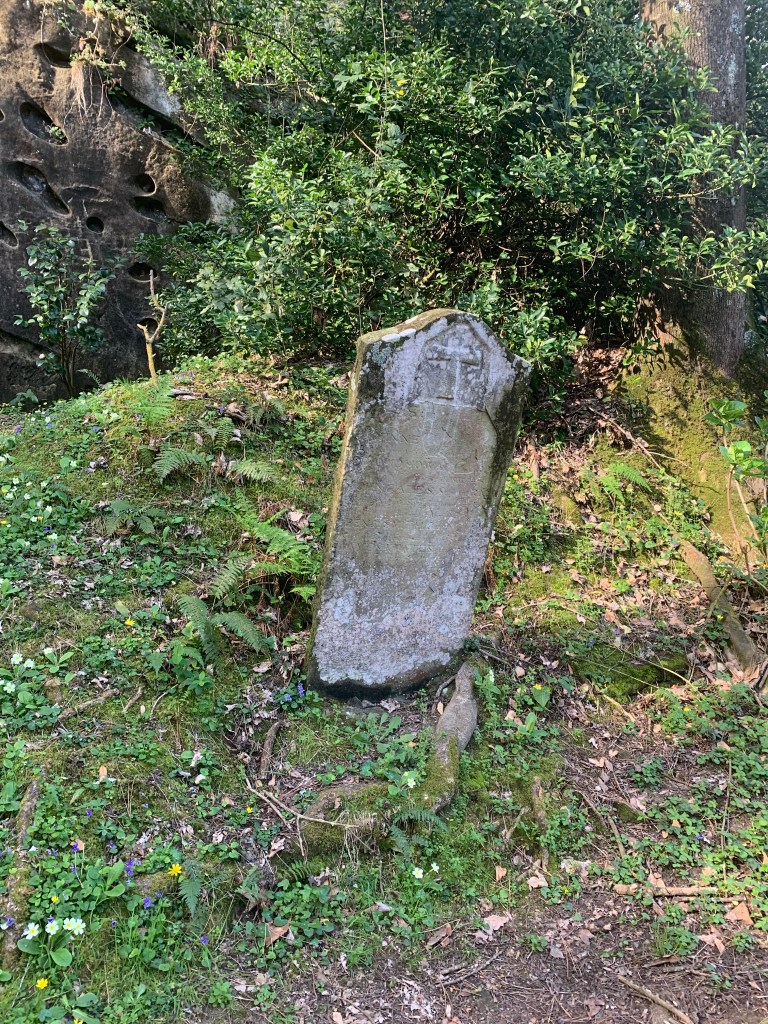
As we walked up the slopes (there are four different paths) we came across a small cemetery. This place is apparently shrouded in mystery. Some say that the bodies of English soldiers that died in the First Carlist War are buried here, others say that this cemetery was built over an old mass grave where French soldiers are buried and others say that the headstones conceal a tragic love story between an English officer and a local girl from the city (there’s always something for the romantics). I suspect it’s the first given the sign gives you some details about who is buried here and when (1836-37) – but hey I’ve been wrong before.



As you get closer to the top (it takes about 30 – 40 minutes) and go past the many look out spots you get a sense as to why this was the perfect location for a military fortress way back in the 12th century. In fact the castle played a really important role in defending Donostia during many sieges over the years.
When you get to the summit much of the Castillo de la Mota fortress is still in tact, with cannons still in place overlooking the city in a protective way. There is a small museum up there as well but unfortunately it wasn’t opening for another week, I guess we aren’t here at peak season.


There is also a statue of the Sacred Heart standing 12.5 metres tall in the act of blessing with the right hand and pointing to the heart with the left. You can see this statute from almost all of the city. The statue sits on a base of a chapel and so the entire monument reaches 24 metres in height.
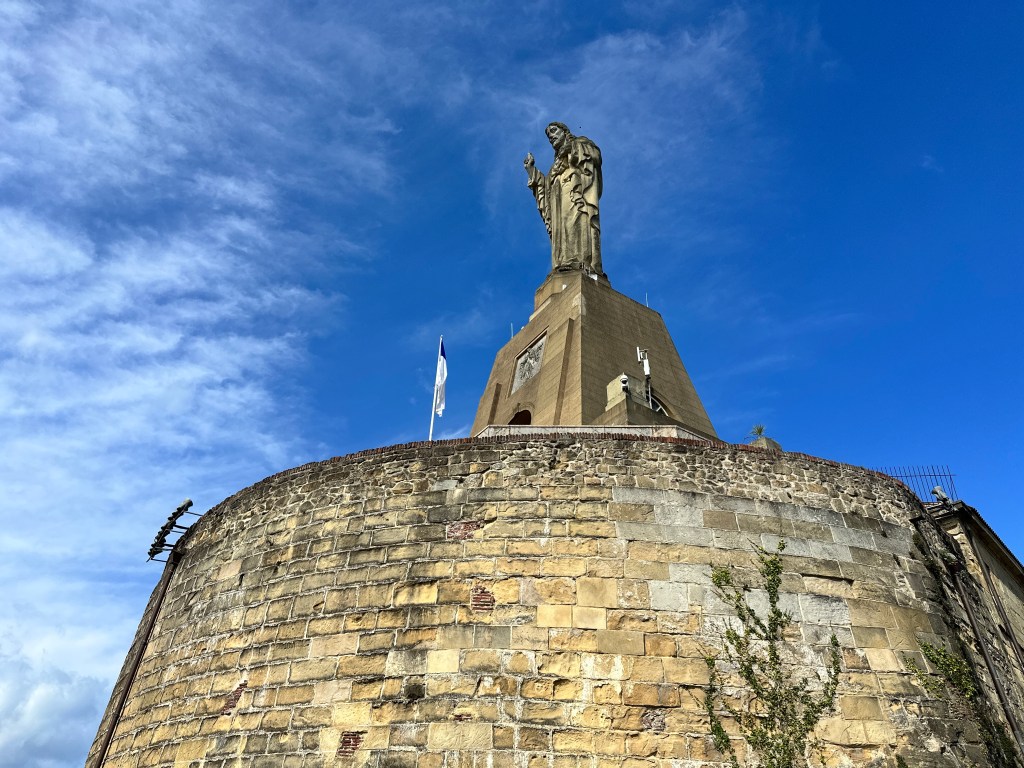
Also up the top there is a small bar up, just in case all of the that walking left you a little dehydrated.

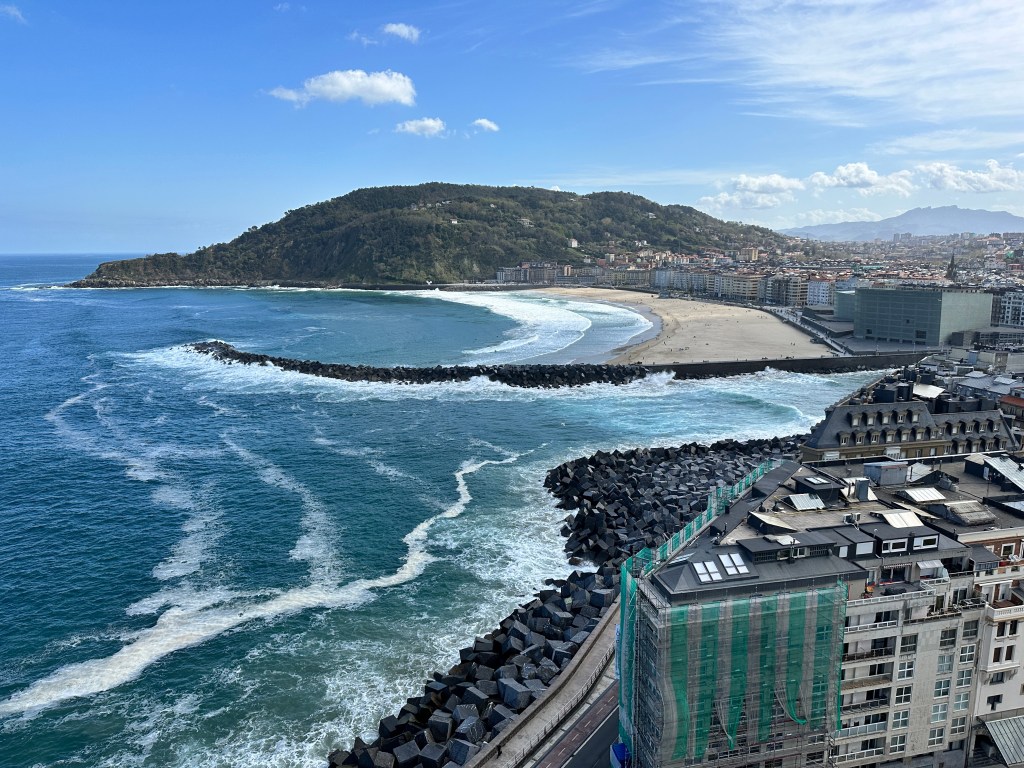


An afternoon exploring the city hitting a few landmarks which I’m sure we’ll learn more about tomorrow. It is so beautiful and check out this sunset.


 Travelling with Fi
Leave a reply to Megan Barker Cancel reply